Zenobias Garden
Wild Bergamot Plant, 3.5 Inch Pot
Wild Bergamot Plant, 3.5 Inch Pot
Couldn't load pickup availability
Wild Bergamot (Monarda fistulosa) is the lavender-flowered native bee balm of the eastern and central prairies - shaggy whorls of soft lilac-purple flowers atop square stems, surrounded by the distinctive oregano-spice fragrance that makes all Monardas immediately recognizable. More drought-tolerant than its showier cousin Scarlet Bee Balm, Wild Bergamot is better suited to the typical garden and has the deeper folk herbal tradition of the two. Bees, butterflies, and hummingbirds work it constantly through the long summer bloom.
Growing Information
Wild Bergamot thrives in full sun and well-drained to average soil. Unlike Scarlet Bee Balm, it tolerates dry conditions well once established, making it a more adaptable choice for most gardens. Plants reach 2-4 feet tall and spread slowly by rhizome. Divide clumps every 2-3 years to maintain vigor and prevent overcrowding. Powdery mildew can appear in humid summers - improve air circulation by thinning clumps and avoid overhead watering. Hardy throughout most of North America.
Traditional Use
Wild Bergamot has one of the most extensive records of use of any native North American herb, employed by a remarkable number of Native American nations across its wide natural range. The Ojibwe, Cherokee, Blackfoot, Menominee, and many other peoples used it in teas, steam inhalations, and topical applications. It was also used as a flavoring and aromatic herb. The aerial parts, particularly the leaves and flowers, are harvested at peak bloom. Eclectic physicians of the nineteenth century also recognized its value, and it remains a respected herb in contemporary American herbalism.
Care on Arrival
Water upon arrival and settle in a sunny location for a day before transplanting. Wild Bergamot is adaptable and establishes readily. Plant after your last frost date in well-drained soil. It is more forgiving of dry conditions than Scarlet Bee Balm - a good choice for average garden beds without supplemental irrigation. Water during establishment, then reduce frequency. Expect flowers in the first season if planted in spring. Divide clumps regularly to maintain the most vigorous plants.
You Might Also Like
Wild Bergamot is a foundational native medicinal herb. Pair with Scarlet Bee Balm for red-flowered contrast within the same genus. Echinacea and Goldenrod bloom at complementary times and share its native prairie origins. For a complete collection of plants significant to Native American herbal tradition, add Boneset, Elderberry, and Blue Vervain.
At Zenobia's Garden, every plant is grown on our 8-acre farm in Perry County, Missouri - tended by hand with attention to soil health, plant vitality, and botanical integrity. We grow medicinal herbs because we believe in them, and we want the plants that leave our farm to thrive in yours. Questions about your order or your plants? Reach us at susan@zenobiasgarden.com - we're growers first, and we're happy to help.
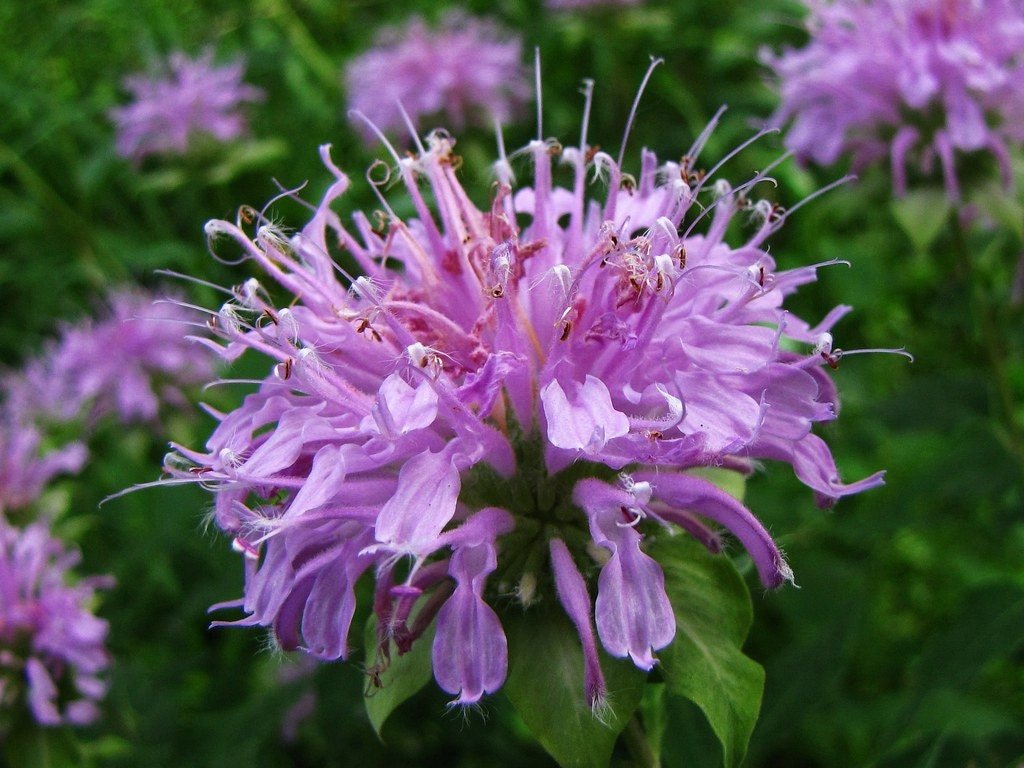
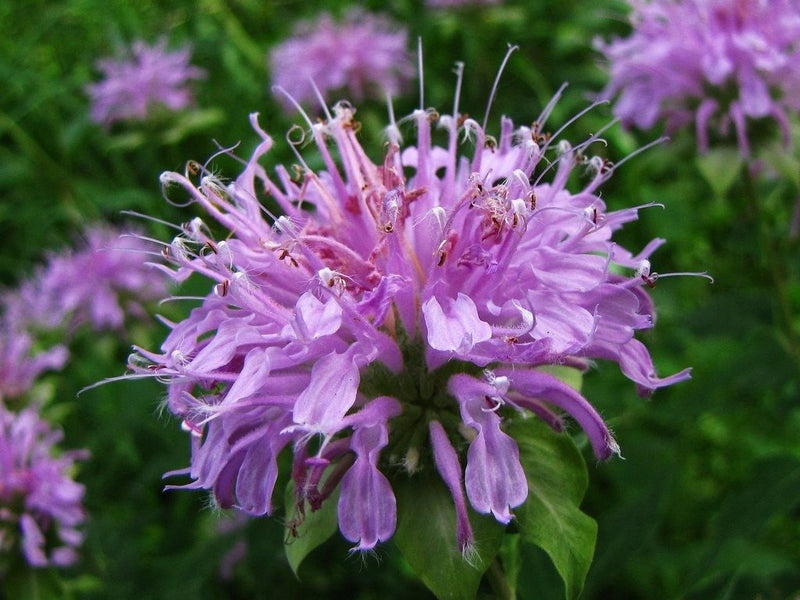
Monarda fistulosa
Wild Bergamot Plant, 3.5 Inch Pot
Wild Bergamot is one of herbalism's best-kept secrets — containing more thymol than thyme itself, making it an exceptional cold and flu herb. A native wildflower that blooms aggressively all summer, attracts extraordinary pollinators, and is nearly impossible to find commercially.
- Grown by hand on our 8-acre Missouri farm
- Healthy plant guarantee — arrives thriving or we replace it
- Expert growing tips included with every order
Growing Guide
Plant Care Guide
Simple guidance to help your plant thrive.
Full Sun to Part Sun
Wild Bergamot does well in full sun to part sun. It needs more water than wormwood but is generally quite adaptable.
Moderate
Wild Bergamot needs more water than its drought-tolerant cousins. It will start drying out near the ground if not watered adequately.
Average, Well-Drained Soil
Wild Bergamot grows well in average garden soil. It can get chest-high when happy and spreads over time.
Why We Grow It
Why Gardeners Love This Plant
More Thymol Than Thyme
The Hummingbird Moth
Hard to Find Commercially
Pleasant Minty Tea
Good to Know
Growing Tips & Common Questions
Everything you need to help your plant settle in and thrive.
Keep Growing
You Might Also Love
More medicinal herbs for your garden.