Zenobias Garden
St Johns Wort Live Plant, 3.5 Inch Pot
St Johns Wort Live Plant, 3.5 Inch Pot
Couldn't load pickup availability
St. John's Wort (Hypericum perforatum) is a perennial wildflower with cheerful bright yellow five-petaled flowers that bloom in midsummer, traditionally at their peak around the Feast of St. John on June 24th - the origin of the common name. Hold a leaf up to the light and the distinctive oil glands appear as translucent dots, perforations that give the species its Latin name. Crush a bud or fresh flower and the fingers stain deep red-purple from the hypericin-rich oils inside - one of the most dramatic visual identifiers in the plant kingdom.
Growing Information
St. John's Wort thrives in full sun and well-drained to dry, lean soil. It is native to roadsides, disturbed ground, and open meadows across Europe and naturalized widely in North America. Plants reach 1-3 feet tall and spread by both rhizome and seed over time. Hardy throughout most of North America. Harvest flowering tops when the flowers are just beginning to open and the buds still bleed red when squeezed - this is peak hypericin content. A reliable, long-lived perennial once established in a suitable site.
Traditional Use
St. John's Wort holds one of the most distinguished places in the entire European herbal tradition, with documented use stretching back to ancient Greece. It was one of the most important protective and medicinal herbs of medieval Europe, associated in folk tradition with light, protection, and the midsummer season. The infused oil, made by steeping the fresh flowers in olive oil until it turns deep red, has been a traditional topical preparation for centuries. Contemporary interest in St. John's Wort exploded in the 1990s following research into its mood-supporting properties, making it one of the most studied herbs in the world. Herbalists use the flowering tops in tinctures, teas, and infused oils.
Care on Arrival
Water upon arrival and settle in a sunny location before transplanting. St. John's Wort is adaptable and establishes readily. Plant after your last frost date in well-drained, lean soil - avoid rich, moist conditions. Water during establishment, then reduce frequency significantly. Once established it is drought-tolerant and largely self-sufficient. Allow some self-seeding for a continuous garden presence. Harvest flowering tops in midsummer when the flowers are just opening for the highest quality infused oil and tincture.
You Might Also Like
St. John's Wort pairs naturally with other herbs of the European folk tradition. Lemon Balm, Skullcap, and Valerian complement it in a mood and nervine herb collection. Agrimony and Betony share its deep Anglo-Saxon and medieval herbal heritage. For a complete midsummer harvest garden, add Elderflower, Chamomile, and Yarrow.
At Zenobia's Garden, every plant is grown on our 8-acre farm in Perry County, Missouri - tended by hand with attention to soil health, plant vitality, and botanical integrity. We grow medicinal herbs because we believe in them, and we want the plants that leave our farm to thrive in yours. Questions about your order or your plants? Reach us at susan@zenobiasgarden.com - we're growers first, and we're happy to help.
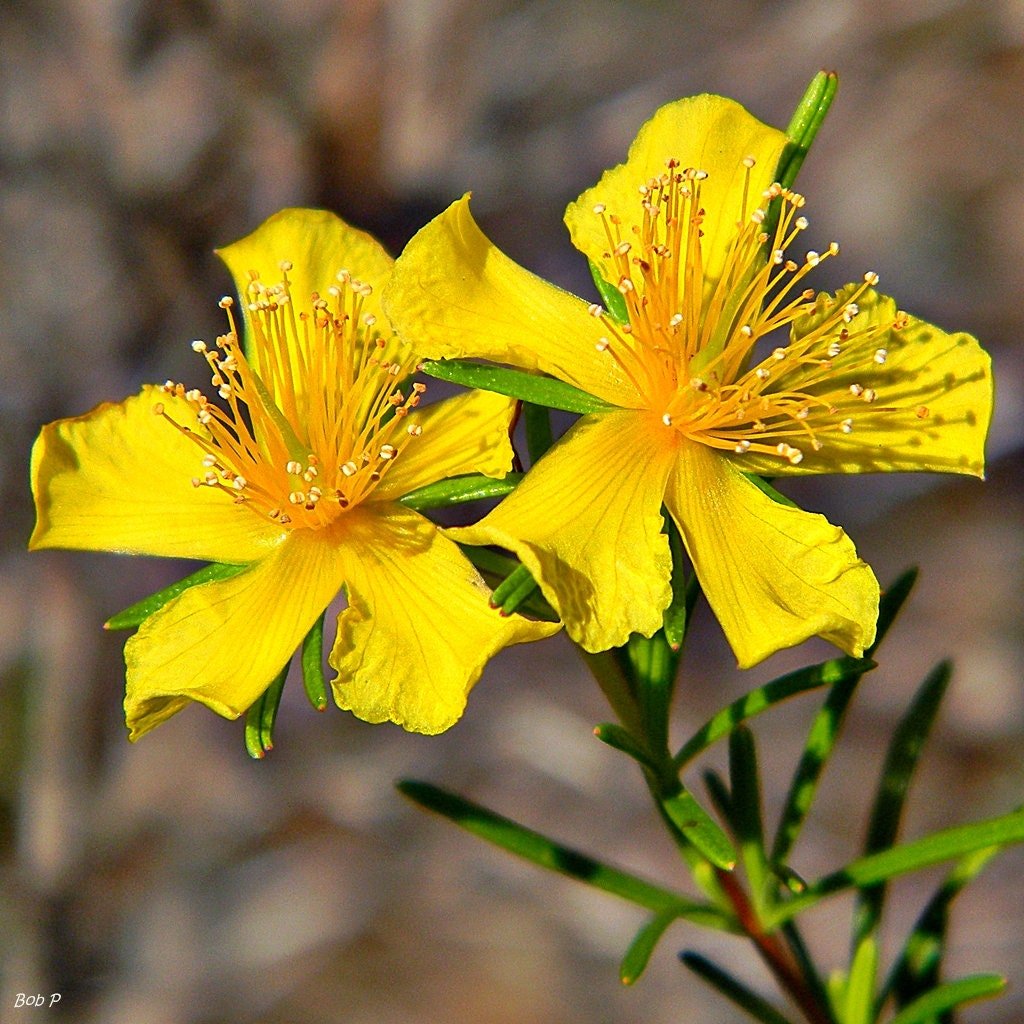
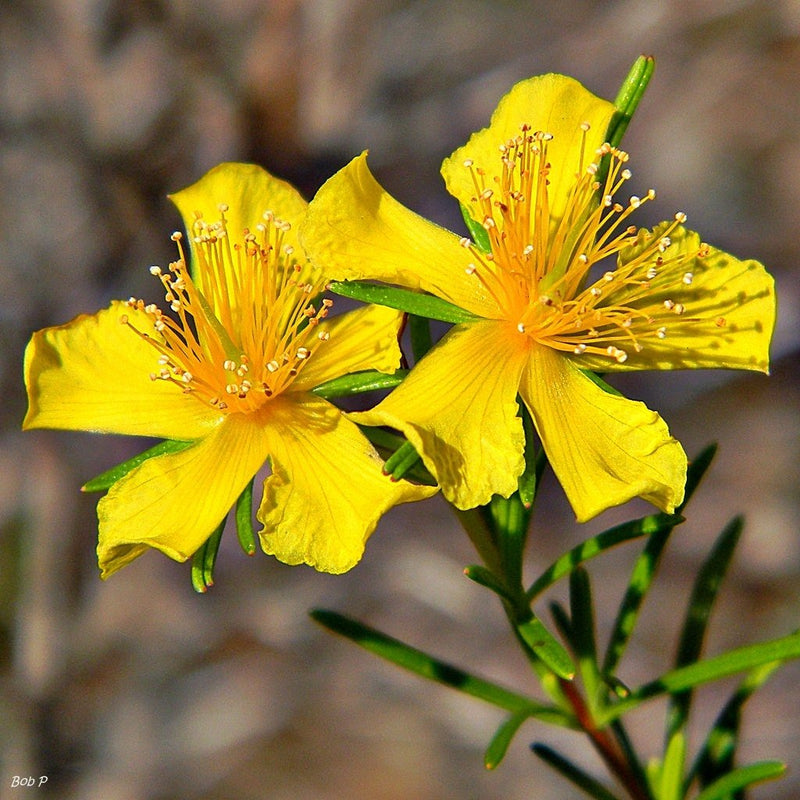
Hypericum perforatum
St Johns Wort Live Plant, 3.5 Inch Pot
St. John's Wort is a Goldilocks plant — particular about where it grows, spectacular when happy. The summer solstice tradition of harvesting those golden blooms and infusing them fresh in olive oil produces one of herbalism's most treasured preparations. You cannot make it from dried flowers.
- Grown by hand on our 8-acre Missouri farm
- Healthy plant guarantee — arrives thriving or we replace it
- Expert growing tips included with every order
Growing Guide
Plant Care Guide
Simple guidance to help your plant thrive.
Full Sun, Dry Conditions
St. John's Wort prefers dry, sunny conditions. It grows as a weed in farmer's fields — full sun and lean, dry soil is its natural habitat.
Low — Prefers Dry
St. John's Wort prefers dry soil. Overwatering is one of the main ways to kill it. Once established it should need minimal supplemental water.
Lean, Well-Drained Soil
St. John's Wort is a short-lived perennial that drops abundant seeds. Treat it somewhat like a biennial — plant two years in a row to establish a self-seeding cycle. Eight established plants yielded about a gallon of oil for us last season.
Why We Grow It
Why Gardeners Love This Plant
The Oil You Cannot Buy
Summer Solstice Harvest
Nerve Repair Reputation
Self-Seeding Abundance
Good to Know
Growing Tips & Common Questions
Everything you need to help your plant settle in and thrive.
Keep Growing
You Might Also Love
More medicinal herbs for your garden.