Zenobias Garden
Valerian Live Plant, 3.5 Inch Pot
Valerian Live Plant, 3.5 Inch Pot
Couldn't load pickup availability
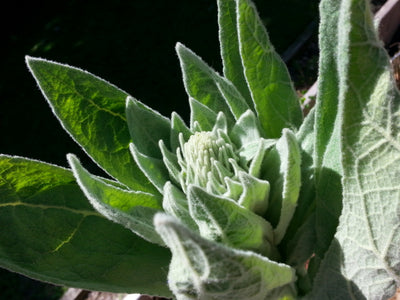
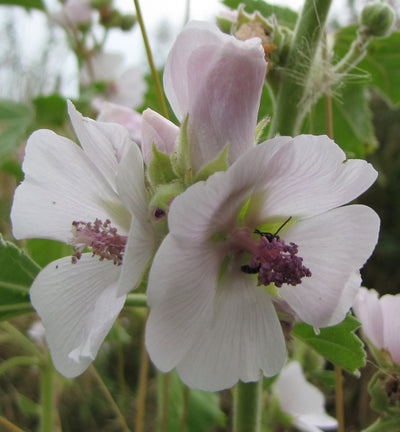
Valerian (Valeriana officinalis) is a tall, graceful perennial with deeply divided foliage and large, flat-topped clusters of tiny pale pink to white flowers that bloom in early summer, releasing a sweet, vanilla-like fragrance beloved by bees and butterflies. The root, which is the part most valued by herbalists, smells quite different - earthy, strong, and distinctly pungent when dried, a fragrance that cats find as compelling as catnip. It is a plant of genuine beauty above ground and genuine complexity below it.
Growing Information
Valerian thrives in full sun to partial shade and prefers moist, deep, fertile soil. It reaches 3-5 feet tall in flower and makes a dramatic back-of-border specimen. Hardy throughout most of North America. The root is harvested in fall of the second or subsequent years when the valerenic acid content is highest. Plants self-seed modestly; allow some volunteers to establish for a continuous garden presence. An excellent cut flower as well as a medicinal plant - the flower clusters last well in arrangements.
Traditional Use
Valerian has been used in European medicine since at least the time of ancient Greece, where Hippocrates described it, and Galen prescribed it in the second century AD. It remained one of the most important herbs in European domestic medicine through the medieval period and into the nineteenth century, when it was included in the pharmacopoeias of multiple European nations. Contemporary herbalists consider valerian root one of the most significant sedative herbs in the Western tradition, valued for sleep support and nervous tension. The dried root is used in tinctures, teas, and capsules.
Care on Arrival
Water well upon arrival and keep moist. Valerian prefers consistent moisture and does not like to dry out. Settle in a bright to partially shaded location before transplanting. Plant after your last frost date in deep, moist, enriched soil. Mulch generously to retain moisture. Water consistently through the first season. First-year plants establish their root system; full size and flowering comes in year two. Harvest roots in fall of the second year or later - patience produces a better root.
You Might Also Like
Valerian is a cornerstone sedative herb and pairs naturally with Hops, Skullcap, and Lemon Balm in a traditional sleep and nervine herb collection. Chamomile and Catnip add gentler options to the same collection. For a complete European folk nervine garden, add Mugwort, Motherwort, and Betony.
At Zenobia's Garden, every plant is grown on our 8-acre farm in Perry County, Missouri - tended by hand with attention to soil health, plant vitality, and botanical integrity. We grow medicinal herbs because we believe in them, and we want the plants that leave our farm to thrive in yours. Questions about your order or your plants? Reach us at susan@zenobiasgarden.com - we're growers first, and we're happy to help.
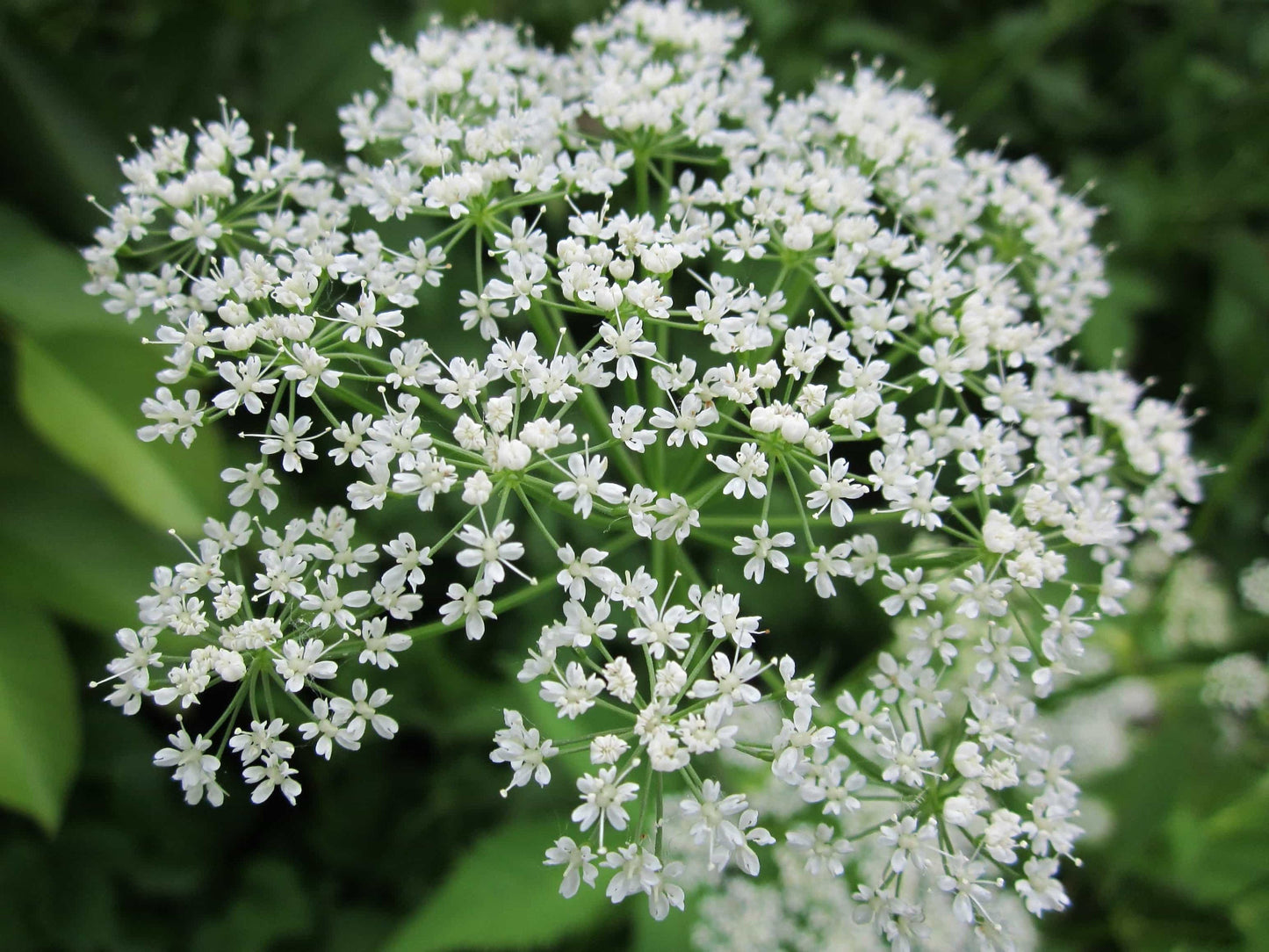
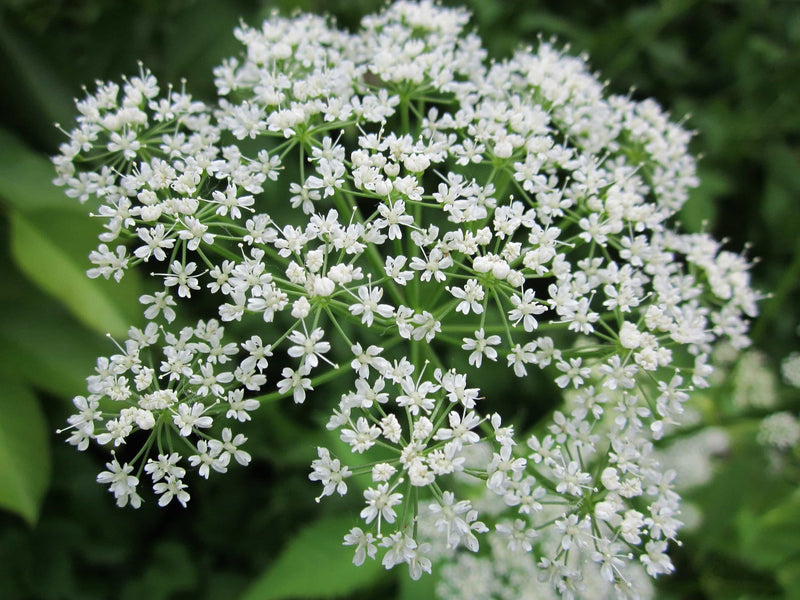
Valeriana officinalis
Valerian Live Plant, 3.5 Inch Pot
Valerian is one of the most widely known sleep and relaxation herbs — and one of the most beautiful garden plants you will ever grow. The night-blooming flowers release an extraordinary perfume that fills the evening air. You can smell it on the breeze. We love valerian.
- Grown by hand on our 8-acre Missouri farm
- Healthy plant guarantee — arrives thriving or we replace it
- Expert growing tips included with every order
Growing Guide
Plant Care Guide
Simple guidance to help your plant thrive.
Part Shade
Valerian does well in part shade and should not be placed in full blistering sun. Morning sun with afternoon shade is ideal.
Moderate — Consistent Moisture
Valerian needs consistent moisture and does not like to dry out completely. Rich, moist soil produces the best plants.
Rich, Moist Soil
Valerian thrives in rich, moist soil. It is an early spring plant and already forming bloom heads by mid-April in Missouri. Plant near seating areas to enjoy the extraordinary evening fragrance.
Why We Grow It
Why Gardeners Love This Plant
The Evening Perfume
Sleep and Relaxation
Root Medicine
Early Spring Beauty
Good to Know
Growing Tips & Common Questions
Everything you need to help your plant settle in and thrive.
Keep Growing
You Might Also Love
More medicinal herbs for your garden.