Zenobias Garden
Skullcap, Official (Scutellaria lateriflora) Live Plant, 3.5 Inch Pot
Skullcap, Official (Scutellaria lateriflora) Live Plant, 3.5 Inch Pot
Couldn't load pickup availability
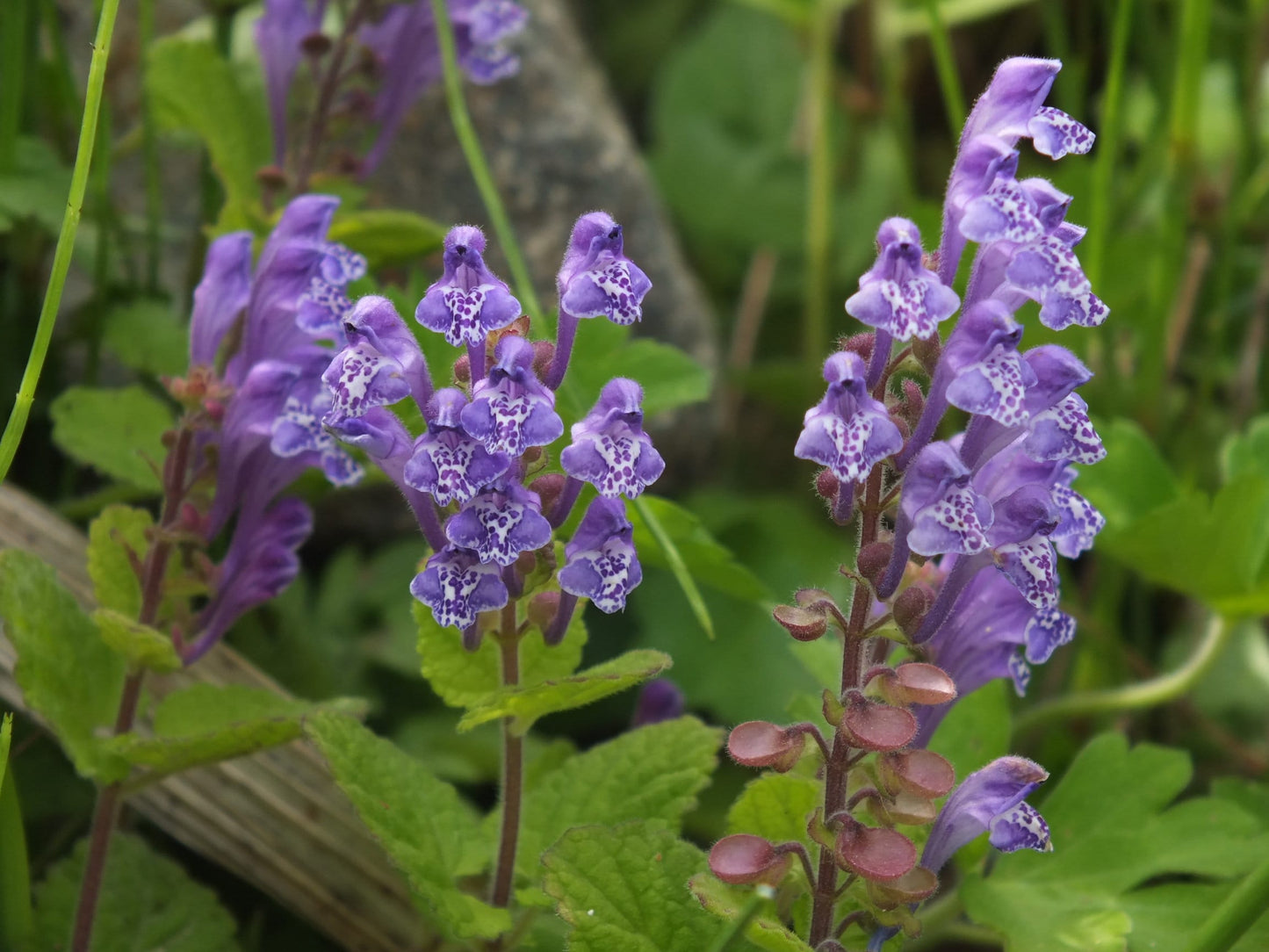
Official Skullcap (Scutellaria lateriflora) is a native North American perennial of woodland edges and stream banks, with small but charming blue flowers tucked along the upper leaf axils of branching stems through midsummer. The plant has a delicate, refined quality - nothing showy, nothing dramatic - that suits its traditional reputation as one of the most genuinely gentle nervine herbs in the American botanical tradition. It is a plant that asks you to slow down to appreciate it, which seems appropriate for an herb associated with calming the nervous system.
Growing Information
Skullcap thrives in partial shade to dappled sunlight and prefers moist, well-drained, humus-rich soil - conditions that mimic its native woodland edge habitat. It tolerates more shade than most medicinal herbs and is a good choice for lightly shaded spots in the garden. Plants reach 12-24 inches tall and form slowly spreading clumps over time. Hardy throughout most of eastern North America. A quiet, unassuming plant that rewards careful siting with steady, reliable growth year after year.
Traditional Use
Skullcap holds a prominent place in both Native American herbal tradition and in the American Eclectic botanical tradition of the nineteenth century. Various eastern woodland Native American peoples used it in traditional practice, and it was one of the most important nervine herbs in the Eclectic pharmacopoeia. Contemporary herbalists consider it one of the most valuable calming herbs in the Western tradition, distinguished from gentler herbs like chamomile by its specific affinity for the nervous system. The aerial parts are harvested at peak flowering for the highest quality.
Care on Arrival
Water upon arrival and keep consistently moist - Skullcap does not tolerate drying out well. Settle in a shaded location before transplanting. Plant after your last frost date in a partially shaded spot with humus-rich, moist soil. Mulch well to retain moisture and moderate soil temperature. This plant will not thrive in hot, dry, sunny conditions - the right site is essential. Water consistently through the first season. Established plants are more forgiving but still prefer moist conditions.
You Might Also Like
Skullcap is a cornerstone nervine herb and pairs naturally with Lemon Balm, Motherwort, and Valerian in a complete calming herb collection. Blue Vervain complements it in the American folk nervine tradition. For other herbs with deep Native American and Eclectic botanical significance, add Boneset, Wild Bergamot, and Blue Cohosh.
At Zenobia's Garden, every plant is grown on our 8-acre farm in Perry County, Missouri - tended by hand with attention to soil health, plant vitality, and botanical integrity. We grow medicinal herbs because we believe in them, and we want the plants that leave our farm to thrive in yours. Questions about your order or your plants? Reach us at susan@zenobiasgarden.com - we're growers first, and we're happy to help.
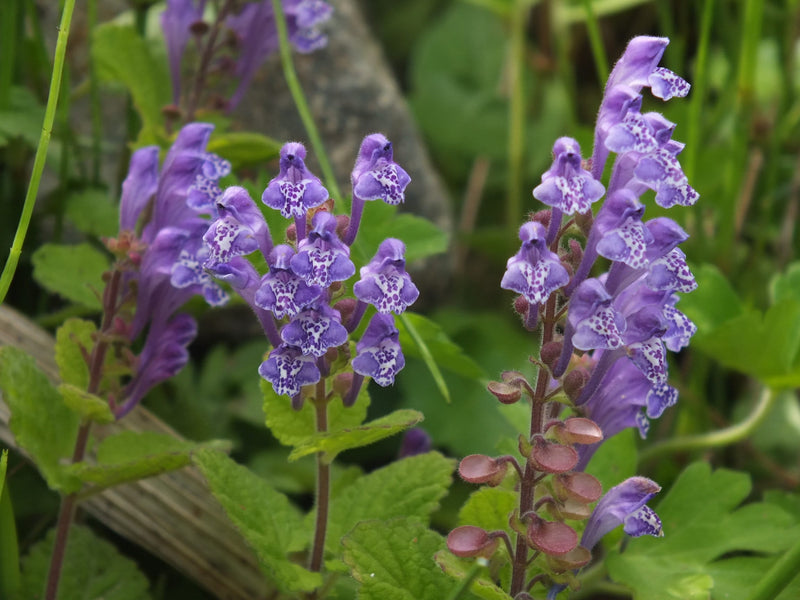
Scutellaria lateriflora
Skullcap, Official (Scutellaria lateriflora) Live Plant, 3.5 Inch Pot
Skullcap is a beloved nervine — a gentle, effective herb for anxiety and nervous tension. A cheerful little plant with purple flowers that attracts hummingbird moths in the wild. Quality matters enormously with skullcap: properly dried, it is hard to beat.
- Grown by hand on our 8-acre Missouri farm
- Healthy plant guarantee — arrives thriving or we replace it
- Expert growing tips included with every order
Growing Guide
Plant Care Guide
Simple guidance to help your plant thrive.
Part Shade to Shade
Skullcap needs shade. Even with shade, it tends to go down in the heat of summer — keep it well watered and it will return. We find it growing wild in shaded woodland openings.
Moderate to High — Stays Moist
Skullcap does not like to dry out at all. Consistently moist but not wet soil is ideal. Spreads by ground runners in good conditions.
Rich, Moist, Woodland-Type Soil
Skullcap thrives in moist, rich soil similar to woodland conditions. We plant ours near comfrey, valerian, and nettles.
Why We Grow It
Why Gardeners Love This Plant
The Nervine
Quality Is Everything
Hummingbird Moth Magnet
Fresh or Freshly Dried
Good to Know
Growing Tips & Common Questions
Everything you need to help your plant settle in and thrive.
Keep Growing
You Might Also Love
More medicinal herbs for your garden.