Zenobia's Garden
Scarlet Bee Balm Plant (Monarda didyma), 3.5 Inch Pot
Scarlet Bee Balm Plant (Monarda didyma), 3.5 Inch Pot
Couldn't load pickup availability
Scarlet Bee Balm (Monarda didyma) is one of the most visually striking native perennials in the summer garden - brilliant red tubular flowers arranged in shaggy whorls atop square stems, surrounded by the distinctive oregano-mint fragrance that defines the Monarda genus. Hummingbirds, bumblebees, and sphinx moths actively seek it out. It is a plant that makes a statement.
Growing Information
Scarlet Bee Balm prefers full sun to light shade and moist, well-drained soil rich in organic matter. It spreads by rhizome and can colonize an area over time - divide clumps every 2-3 years to maintain vigor and prevent overcrowding. Plants reach 3-4 feet tall in good conditions. Powdery mildew can be an issue in humid summers; improve air circulation by thinning clumps and avoid overhead watering. Hardy in most of North America.
Traditional Use
Bee Balm has deep roots in the herbal traditions of eastern woodland Native American peoples, including the Oswego people of New York, who used the leaves to prepare a beverage - the origin of the common name Oswego Tea. It became a popular herbal tea substitute in colonial America following the Boston Tea Party. Herbalists have traditionally valued the aromatic leaves and flowers of Monarda species.
Care on Arrival
Water gently upon arrival and allow the plant to rest in a sheltered spot for a day before placing in full sun. Transplant after your last frost date into moist, enriched soil. Bee Balm appreciates consistent moisture, especially in its first season. Mulch around the base to retain soil moisture and moderate root temperature. Expect full flowering in year one if planted in spring.
You Might Also Like
If you love Bee Balm, consider Wild Bergamot (Monarda fistulosa), its drought-tolerant lavender-flowered cousin that thrives in drier conditions. Lemon Bee Balm adds citrusy fragrance to the mix. For a full native pollinator garden, pair with Echinacea and Boneset for season-long bloom and herbal interest.
At Zenobia's Garden, every plant is grown on our 8-acre farm in Perry County, Missouri - tended by hand with attention to soil health, plant vitality, and botanical integrity. We grow medicinal herbs because we believe in them, and we want the plants that leave our farm to thrive in yours. Questions about your order or your plants? Reach us at susan@zenobiasgarden.com - we're growers first, and we're happy to help.
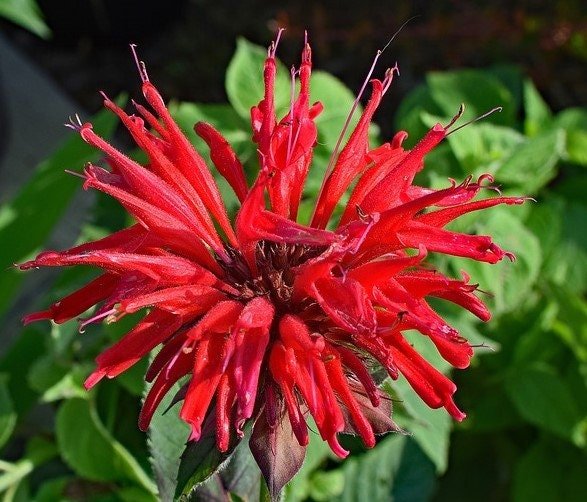
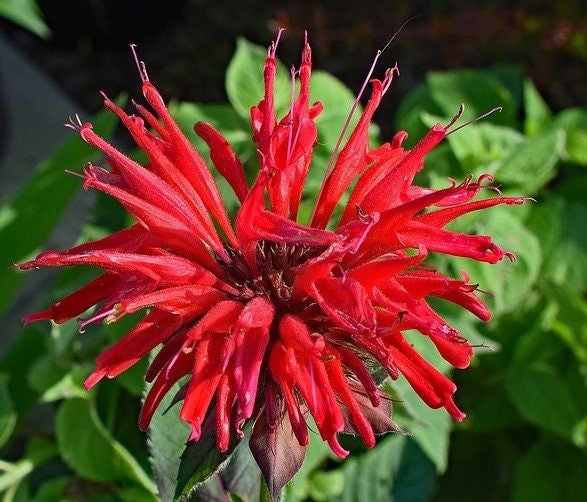
Monarda didyma
Scarlet Bee Balm Plant (Monarda didyma), 3.5 Inch Pot
Scarlet Bee Balm is Wild Bergamot's showier cousin — used similarly medicinally but with spectacular red blooms that hummingbirds and pollinators absolutely cannot resist. A cheerful, aromatic native that blooms all summer.
- Grown by hand on our 8-acre Missouri farm
- Healthy plant guarantee — arrives thriving or we replace it
- Expert growing tips included with every order
Growing Guide
Plant Care Guide
Simple guidance to help your plant thrive.
Full Sun to Part Sun
Scarlet Bee Balm does well in full sun to part sun. It is slightly less drought tolerant than Wild Bergamot.
Moderate — Consistent Moisture
Scarlet Bee Balm needs more water than Wild Bergamot. Consistent moisture produces the best growth and blooming.
Average, Moist Soil
Scarlet Bee Balm grows well in average, moist garden soil. It does not spread as aggressively as Wild Bergamot.
Why We Grow It
Why Gardeners Love This Plant
Hummingbird Magnet
Used Like Wild Bergamot
Blooms All Summer
The More Refined Cousin
Good to Know
Growing Tips & Common Questions
Everything you need to help your plant settle in and thrive.
Keep Growing
You Might Also Love
More medicinal herbs for your garden.