Zenobias Garden
Mugwort Live Plant, 3.5 Inch Pot
Mugwort Live Plant, 3.5 Inch Pot
Couldn't load pickup availability
Mugwort (Artemisia vulgaris) is one of the most ancient and culturally significant herbs in the world - a robust, upright perennial with deeply divided dark green leaves that are silvery-white beneath, and a sharp, complex fragrance that is simultaneously bitter, resinous, and faintly sweet. It has been used in ceremony, medicine, and cooking across Europe, Asia, and the Americas for thousands of years. In the garden it makes a dramatic presence, reaching 4-6 feet tall with architectural branching and a wild, untamed quality that suits its character.
Growing Information
Mugwort thrives in full sun to partial shade and adapts to a wide range of soil conditions - it is native to disturbed ground, roadsides, and hedgerows across the temperate northern hemisphere and is nothing if not resilient. It spreads by both rhizome and seed and can become invasive in favorable conditions - contain it or give it space to roam in a wilder part of the garden. Plants reach 4-6 feet tall. Cut back hard in late fall or early spring. Hardy throughout North America and exceptionally long-lived once established.
Traditional Use
Mugwort carries one of the most extensive and cross-cultural records of use of any herb in existence. In European folk tradition it was considered one of the most important protective and ceremonial herbs, associated with travel, dreaming, and women's health. In Traditional Chinese Medicine, dried Mugwort is the herb used in moxibustion, one of the foundational therapeutic practices of the tradition. Japanese cuisine uses it in the rice cake mochi. Native American peoples across North America used related Artemisia species extensively. Herbalists across all these traditions have valued the aromatic aerial parts, harvested before peak flowering.
Care on Arrival
Water upon arrival and settle in a bright location before transplanting. Mugwort is one of the most adaptable plants you can grow - it establishes readily in almost any conditions. Plant after your last frost date in any reasonably well-drained soil. Water during establishment, then essentially ignore it - this plant does not need or want intensive care. Plan for spreading and site accordingly. Cut back to the ground each fall to keep it tidy and encourage fresh growth the following spring.
You Might Also Like
Mugwort belongs to the Artemisia genus alongside Sagebrush and Sweet Annie - growing all three gives a remarkable range of the genus's aromatic diversity. Valerian and Skullcap complement it in a dreaming and nervine herb collection. For other herbs with deep ceremonial and cross-cultural significance, add Elderberry and St. John's Wort.
At Zenobia's Garden, every plant is grown on our 8-acre farm in Perry County, Missouri - tended by hand with attention to soil health, plant vitality, and botanical integrity. We grow medicinal herbs because we believe in them, and we want the plants that leave our farm to thrive in yours. Questions about your order or your plants? Reach us at susan@zenobiasgarden.com - we're growers first, and we're happy to help.
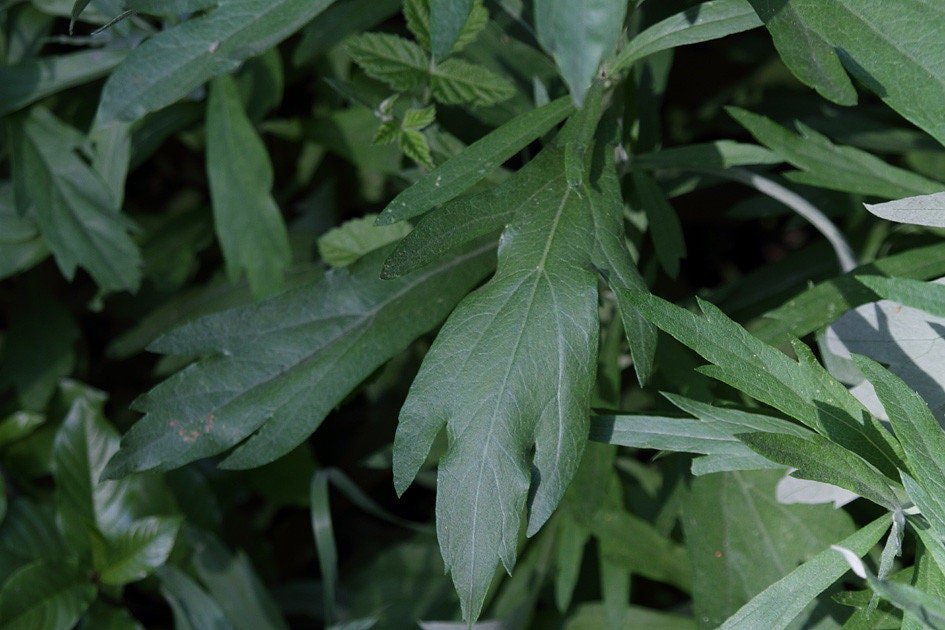
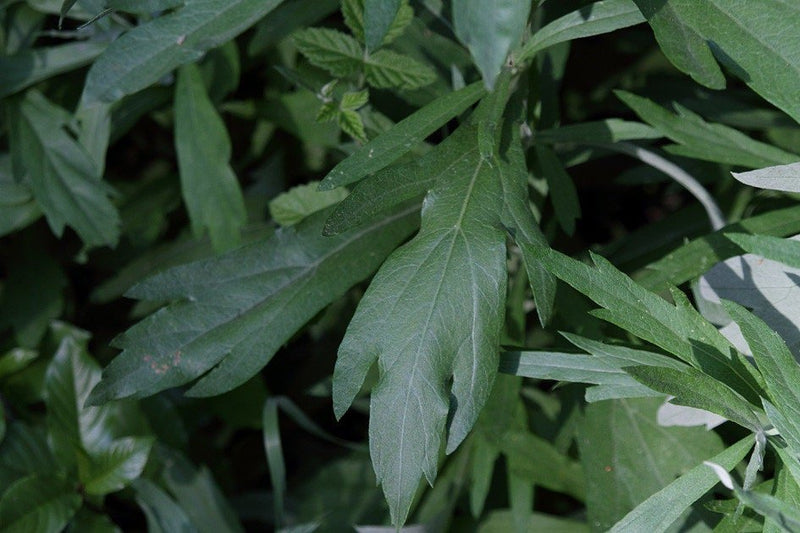
Artemisia vulgaris
Mugwort Live Plant, 3.5 Inch Pot
Mugwort is bold, fragrant, and delightfully aggressive. Known as the dreamer's herb and a classic bitter digestive, it brings folklore, function, and four seasons of garden drama. Give it room — it will use every inch.
- Grown by hand on our 8-acre Missouri farm
- Healthy plant guarantee — arrives thriving or we replace it
- Expert growing tips included with every order
Growing Guide
Plant Care Guide
Simple guidance to help your plant thrive.
Full Sun to Part Shade
Mugwort grows in almost any light condition. It prefers full sun but tolerates shade well. Water the base occasionally to prevent the lower stems from drying out in hot weather.
Low to Moderate
Mugwort is drought tolerant once established. An occasional deep watering prevents the lower stems from looking scraggly in summer heat.
Adaptable — Most Soils
Mugwort grows in poor, average, or rich soil. It spreads by both seed and root, so choose its location thoughtfully — it will fill the space you give it.
Why We Grow It
Why Gardeners Love This Plant
The Dreamer's Herb
Bitter Digestive
Natural Mosquito Deterrent
Chicken-Proof
Good to Know
Growing Tips & Common Questions
Everything you need to help your plant settle in and thrive.
Keep Growing
You Might Also Love
More medicinal herbs for your garden.