Zenobias Garden
Lemon Balm Plant, 3.5 Inch Pot
Lemon Balm Plant, 3.5 Inch Pot
Couldn't load pickup availability
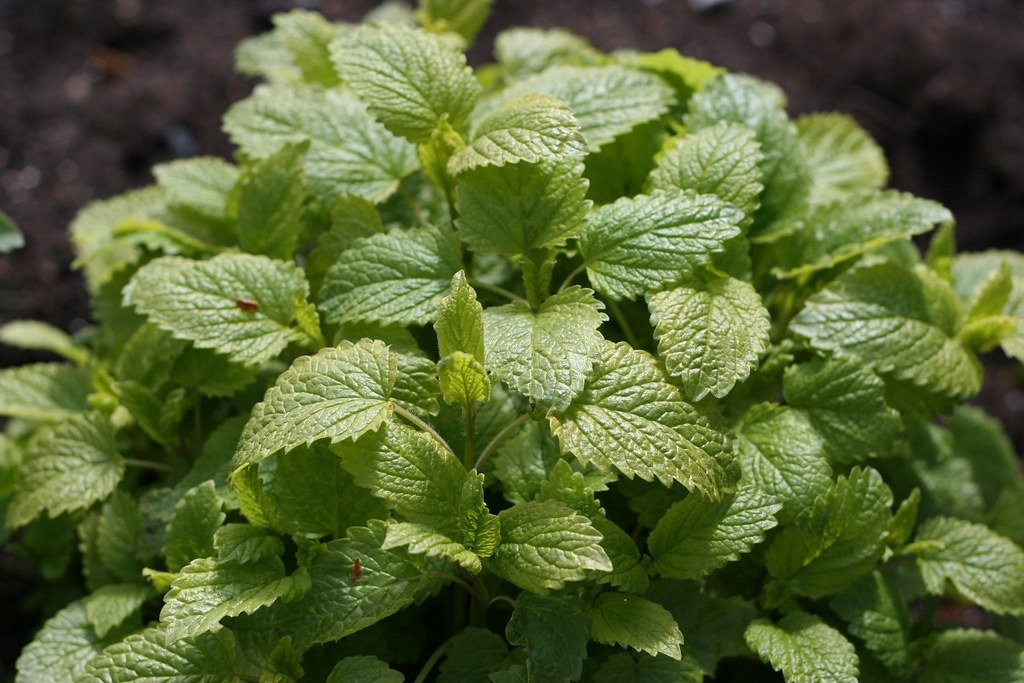
Lemon Balm (Melissa officinalis) is one of the most beloved herbs in the Western tradition - a generous, spreading perennial with crinkled, bright green leaves that release a clean, sweet lemon fragrance at the slightest touch. The small white flowers are modest but beloved by bees; the genus name Melissa is the Greek word for honey bee, a testament to the plant's long association with apiculture. It is one of the most universally pleasant herbs to grow, use, and give away - and it gives itself away freely through vigorous self-seeding.
Growing Information
Lemon Balm thrives in full sun to partial shade and adapts to a wide range of soil conditions, including poor and dry soils. It is vigorous and can spread aggressively by both runners and seed - deadhead spent flowers to reduce self-seeding, or embrace its generous nature in a spot where spreading is welcome. Plants reach 18-24 inches tall. Cut back hard after flowering to encourage fresh, fragrant regrowth. Hardy throughout most of North America; dies back in winter and returns reliably each spring.
Traditional Use
Lemon Balm has been cultivated and used in European medicine for over two thousand years, appearing in the records of ancient Greek physicians and remaining continuously valued through the present day. It holds a prominent place in medieval European herbal tradition - Paracelsus called it the "elixir of life" - and appears in virtually every major European herbal. Herbalists across centuries have associated it with the nervous system, mood, and sleep, and it remains one of the most widely used gentle nervine herbs in contemporary Western herbalism. The aerial parts are harvested at peak growth for the best fragrance and quality.
Care on Arrival
Water upon arrival and keep reasonably moist while establishing. Lemon Balm is adaptable and establishes readily from transplant. Plant after your last frost date in any reasonably well-drained soil. It is not demanding about soil quality. Water during establishment, then reduce frequency - established plants are fairly drought-tolerant. Harvest regularly through the season, cutting stems back by one-third to encourage continuous fresh growth. The fragrance is most intense in fresh leaves before flowering.
You Might Also Like
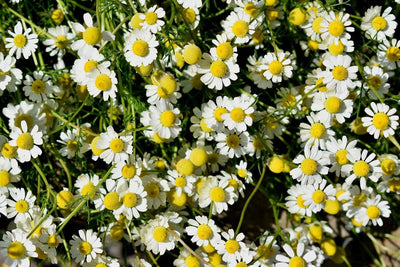
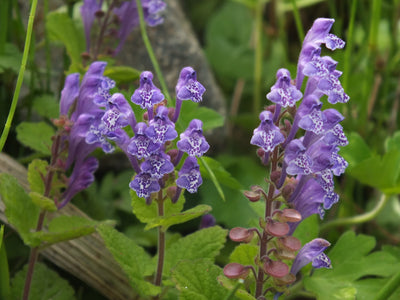
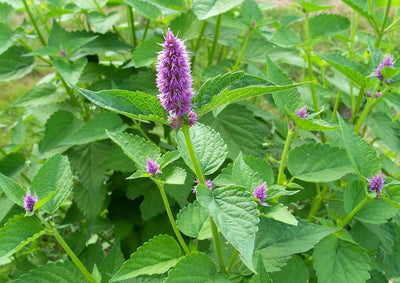
Lemon Balm is a classic nervine herb and pairs naturally with Chamomile, Catnip, and Skullcap in a gentle calming herb collection. Lemon Verbena and Lemon Thyme extend the lemon-scented theme. For a complete traditional tea garden, add Anise Hyssop, Chamomile, and Peppermint.
At Zenobia's Garden, every plant is grown on our 8-acre farm in Perry County, Missouri - tended by hand with attention to soil health, plant vitality, and botanical integrity. We grow medicinal herbs because we believe in them, and we want the plants that leave our farm to thrive in yours. Questions about your order or your plants? Reach us at susan@zenobiasgarden.com - we're growers first, and we're happy to help.
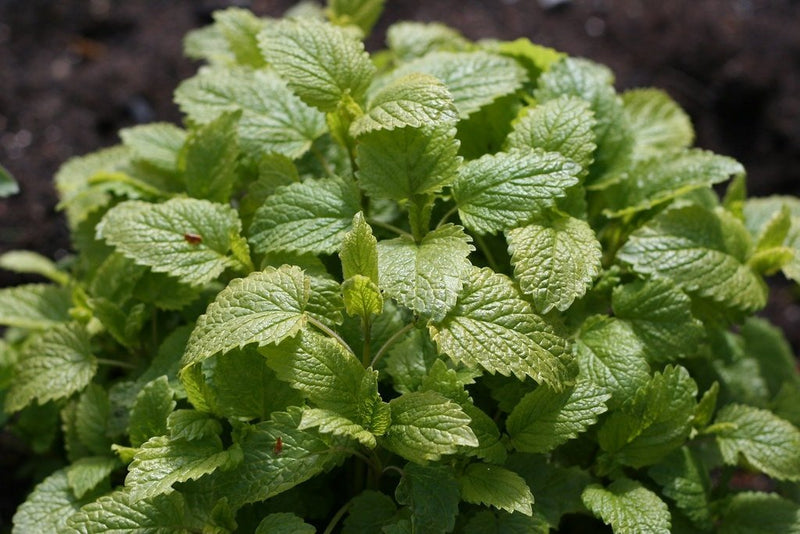
Melissa officinalis
Lemon Balm Plant, 3.5 Inch Pot
Lemon balm is a gentle nervine and anxiety soother — and one of those herbs you really have to grow yourself to appreciate. Commercially dried lemon balm is consistently underwhelming. Fresh or freshly tinctured? Completely different story. We lost an entire afternoon to it once.
- Grown by hand on our 8-acre Missouri farm
- Healthy plant guarantee — arrives thriving or we replace it
- Expert growing tips included with every order
Growing Guide
Plant Care Guide
Simple guidance to help your plant thrive.
Full Sun to Part Shade
Lemon balm grows in full sun to part shade. Part shade is often preferable in hot climates to prevent the plant from drying out and losing its aromatic quality.
Moderate — Consistent Moisture
Lemon balm appreciates consistent moisture. It is in the mint family and benefits from regular watering to maintain its aromatic quality.
Average to Rich, Moist Soil
Lemon balm thrives in average to rich, moist garden soil. It will spread when happy — plant in a spot where you are comfortable with it expanding over time.
Why We Grow It
Why Gardeners Love This Plant
The Lost Afternoon
Grief and Anxiety Support
Must Be Grown Fresh
Pollinator Magnet
Good to Know
Growing Tips & Common Questions
Everything you need to help your plant settle in and thrive.
Keep Growing
You Might Also Love
More medicinal herbs for your garden.