Zenobias Garden
Hyssop Live Plant (Hyssopus Officinalis) 3.25 Inch Pot
Hyssop Live Plant (Hyssopus Officinalis) 3.25 Inch Pot
Couldn't load pickup availability
Hyssop (Hyssopus officinalis) forms a compact, aromatic subshrub covered in spikes of deep blue-purple flowers that bees find absolutely irresistible. The minty-medicinal scent of the foliage is distinctive - camphorous and slightly bitter, unmistakably herbal. This is a plant that announces its presence before you touch it. Medieval monks grew it in physick gardens, and it has been valued by herbalists across Europe and the Middle East for thousands of years.
Growing Information
Hyssop appreciates full sun and well-drained soil. It is drought-tolerant once established and can be sheared back after flowering to maintain shape and encourage fresh growth. A semi-woody perennial that behaves more like a shrub in warmer climates, plants typically reach 1-2 feet tall and wide. In cold climates hyssop dies back to the ground in winter; in milder areas it remains semi-evergreen. An excellent companion plant, particularly in the vegetable garden where it attracts beneficial insects.
Traditional Use
Hyssop has been valued by herbalists for centuries as an aromatic herb with a long history of use in European folk tradition. It appears in ancient Hebrew texts - biblical hyssop is debated by scholars, though this plant carries the name. Medieval monks cultivated it in physick gardens and it is one of the botanicals historically included in the liqueur Chartreuse. Its clean, camphorous character made it associated with purification - both physical and spiritual - across many traditions. Herbalists traditionally value the aerial parts harvested at peak flowering.
Care on Arrival
Water gently upon arrival and allow to settle in a sheltered spot for a day or two before moving into full sun. These plants ship well but appreciate a brief transition period. Transplant into well-drained soil after your last frost date, spacing plants 12-18 inches apart. First-season plants may be modest - hyssop hits its stride in year two. Shear back lightly after the main flush of flowers to encourage a second bloom and maintain a tidy habit.
You Might Also Like
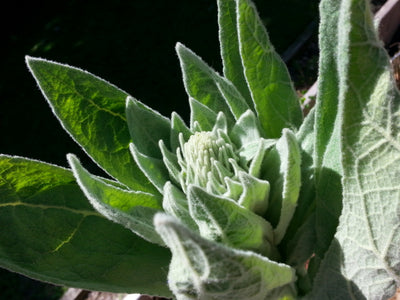
Hyssop is a core respiratory herb in the folk tradition. Pair with Mullein, Horehound, and Elecampane for a complete traditional respiratory herb collection. For a Mediterranean aromatic garden, combine with English Lavender, English Thyme, and Sage. Anise Hyssop is a related but distinct American native worth growing alongside.
At Zenobia's Garden, every plant is grown on our 8-acre farm in Perry County, Missouri - tended by hand with attention to soil health, plant vitality, and botanical integrity. We grow medicinal herbs because we believe in them, and we want the plants that leave our farm to thrive in yours. Questions about your order or your plants? Reach us at susan@zenobiasgarden.com - we're growers first, and we're happy to help.
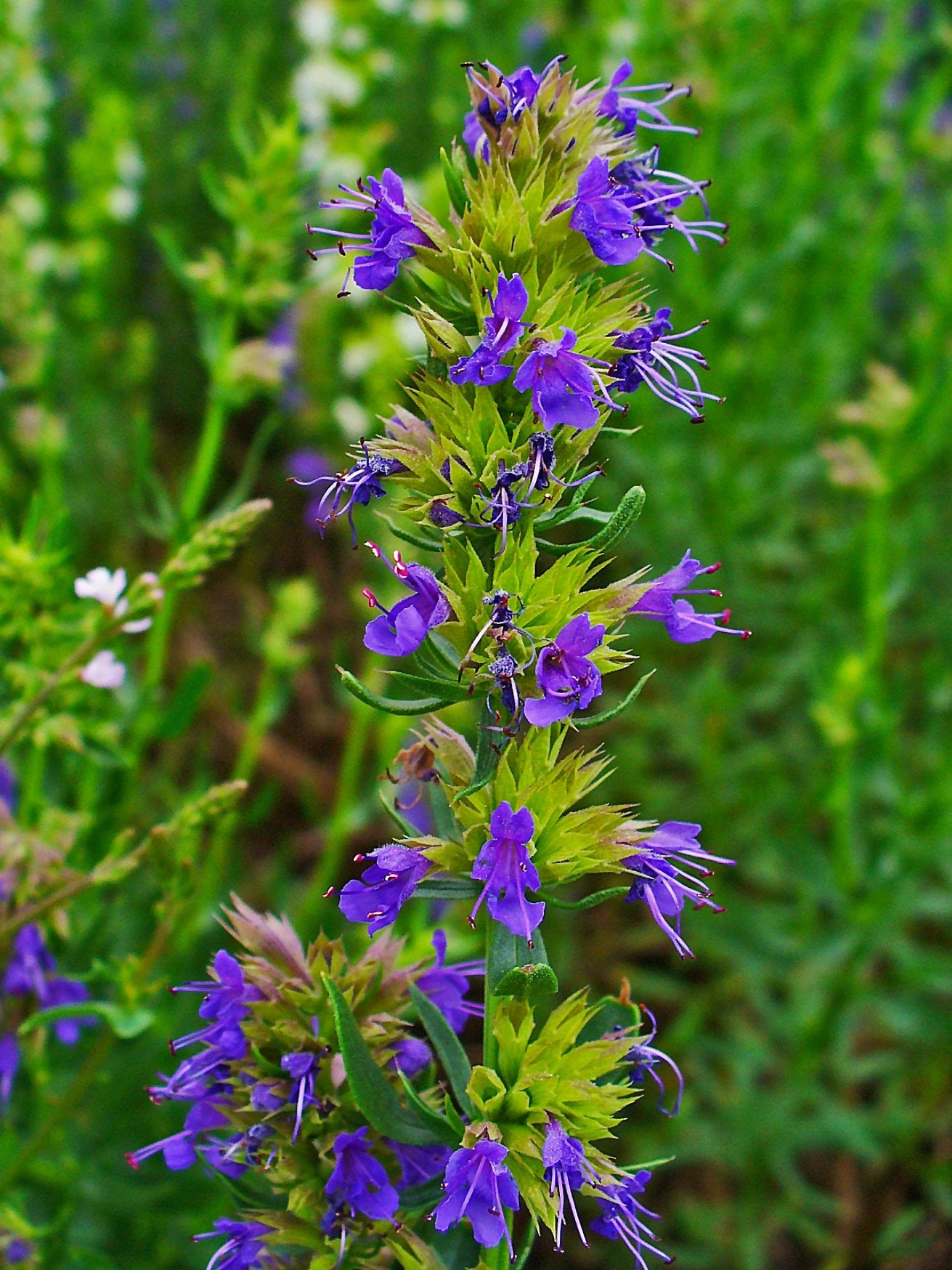
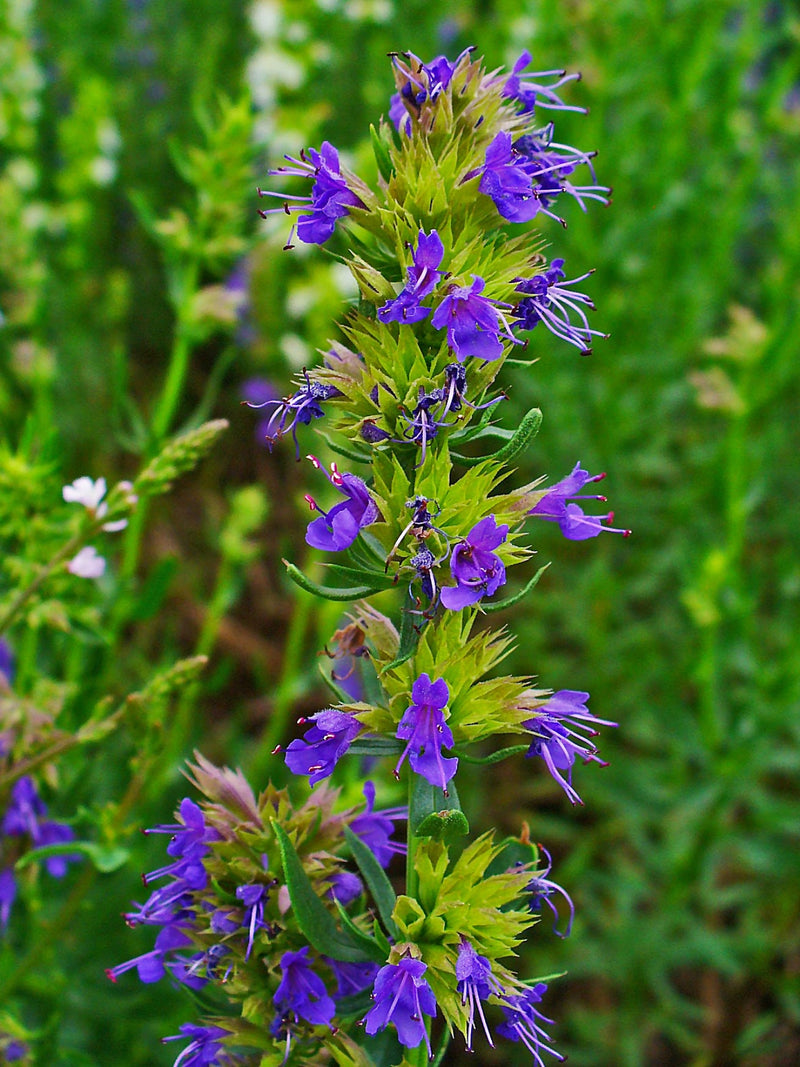
Hyssopus officinalis
Hyssop Live Plant (Hyssopus Officinalis) 3.25 Inch Pot
Hyssop is a classic cold and flu herb with a pleasant minty-aromatic flavor. Used for centuries and referenced in the Bible, it is also frequently requested by Jewish customers for Passover. A woody, lavender-like shrub with brilliant blue-purple blooms.
- Grown by hand on our 8-acre Missouri farm
- Healthy plant guarantee — arrives thriving or we replace it
- Expert growing tips included with every order
Growing Guide
Plant Care Guide
Simple guidance to help your plant thrive.
Full Sun
Hyssop loves full sun and handles heat and drought well once established. It looks like lavender in its mature woody shrub form.
Low — Drought Tolerant
Water well during the first year while establishing. Once established hyssop is quite drought tolerant.
Well-Drained, Average Soil
Hyssop thrives in well-drained, average to lean soil — similar to lavender. Rich, wet soil causes problems.
Why We Grow It
Why Gardeners Love This Plant
Cold and Flu Classic
Biblical Herb
Brilliant Blue-Purple Blooms
Develops into Woody Shrub
Good to Know
Growing Tips & Common Questions
Everything you need to help your plant settle in and thrive.
Keep Growing
You Might Also Love
More medicinal herbs for your garden.