Zenobias Garden
Hops Live Plant, 3.5 Inch Pot
Hops Live Plant, 3.5 Inch Pot
Couldn't load pickup availability
Hops (Humulus lupulus) is a vigorous, twining perennial vine that can grow 20-25 feet in a single season, sending up bines covered in rough, deeply lobed leaves to reach whatever support is available with impressive speed. The female flowers develop into the papery, cone-like strobiles that are the part used both in brewing and in herbal medicine - resinous, aromatic, and dusted inside with the golden lupulin glands that carry the plant's distinctive bitter fragrance. Growing hops is committing to a plant that means business.
Growing Information
Hops demands full sun and rich, well-drained soil. It grows from a perennial root crown that develops over several years, sending up new bines each spring that die back completely in winter. Provide a trellis, fence, or sturdy support of at least 15 feet - the plant will find a way to the top. Plants are heavy producers once established, typically beginning meaningful cone production in the second or third year. Hardy throughout most of North America. Divide crowns every few years to maintain vigor.
Traditional Use
Hops have been cultivated for brewing in Europe since at least the ninth century, replacing earlier bittering agents in ale production, but the plant's use as a medicinal herb predates its brewing history. It appears in European folk medicine as a calming and sleep-supportive herb, and spent hops from brewing were historically stuffed into pillows for the same purpose. Herbalists have traditionally valued the dried female cones - the strobiles - harvested when fully mature and fragrant in late summer. Hops appear in classical European herbal formulas for nervous tension and sleep support alongside valerian and skullcap.
Care on Arrival
Water well upon arrival and get this plant into the ground with sturdy support as soon as possible after your last frost date. Hops grows fast and will need something to climb immediately. Plant in rich, well-drained soil in full sun. Water consistently through the first season - hops is a heavy feeder and drinker. Top-dress with compost each spring. First-year plants establish the root crown; meaningful bine growth comes in year two and cone production improves each subsequent year.
You Might Also Like
Hops pairs naturally with Valerian, Skullcap, and Lemon Balm in a traditional sleep and nervine herb collection. Chamomile completes the classic calming tea combination. For other vigorous, productive perennial medicinal plants with deep European herbal roots, add Comfrey, Elecampane, and Mugwort.
At Zenobia's Garden, every plant is grown on our 8-acre farm in Perry County, Missouri - tended by hand with attention to soil health, plant vitality, and botanical integrity. We grow medicinal herbs because we believe in them, and we want the plants that leave our farm to thrive in yours. Questions about your order or your plants? Reach us at susan@zenobiasgarden.com - we're growers first, and we're happy to help.
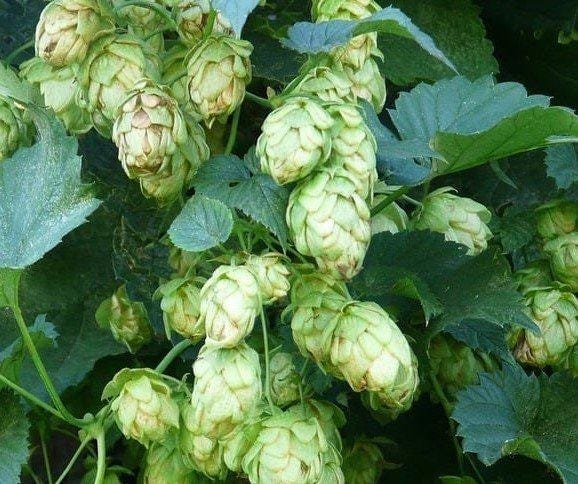

Humulus lupulus
Hops Live Plant, 3.5 Inch Pot
Hops is one of the showiest vines you can grow — and a serious medicinal sedative. Once established it covers everything with lush tropical-looking foliage and hanging cones. We train it over cattle panel archways with passionflower for a completely shaded garden entrance.
- Grown by hand on our 8-acre Missouri farm
- Healthy plant guarantee — arrives thriving or we replace it
- Expert growing tips included with every order
Growing Guide
Plant Care Guide
Simple guidance to help your plant thrive.
Full Sun with Some Afternoon Shade
Hops does best with full sun but appreciates some afternoon shade to protect the cones from burning out.
Moderate — Well-Drained but Moist
Hops has an enormous amount of foliage to support and appreciates consistent moisture in well-drained soil.
Well-Drained, Moderately Rich
Hops prefers well-drained soil that is moderately rich. Give it a strong structure to climb — it grows aggressively and will overwhelm anything weak.
Why We Grow It
Why Gardeners Love This Plant
The Showy Archway Vine
Serious Sedative
Wear Gloves When Handling
Female Plants Produce Cones
Good to Know
Growing Tips & Common Questions
Everything you need to help your plant settle in and thrive.
Keep Growing
You Might Also Love
More medicinal herbs for your garden.