Zenobias Garden
Evening Primrose Live Plant, 3.5 Inch Pot
Evening Primrose Live Plant, 3.5 Inch Pot
Couldn't load pickup availability
Evening Primrose (Oenothera biennis) earns its name in the most literal way - the large, pale yellow flowers open in the evening as the light fades and close by midmorning, releasing a sweet, honey-like fragrance that carries remarkably far on still summer air and attracts moths in the dusk. It is a dramatic, architectural biennial reaching 4-6 feet tall in flower, with a bold basal rosette in its first year and the towering flower spike in its second. A plant that rewards the gardener who pays attention to the quiet end of the day.
Growing Information
Evening Primrose thrives in full sun and well-drained to dry, poor soil - it is native to roadsides, disturbed ground, and dry fields across North America and performs best in lean conditions. Rich, moist soil produces floppy, less vital plants. As a biennial it forms a large rosette in year one and flowers in year two before setting seed and dying. Allow it to self-seed for a continuous garden presence - once established it maintains itself readily. The taprooted first-year rosettes are the part most often used by herbalists.
Traditional Use
Evening Primrose has been used by Native American peoples across North America for centuries, with documented use by many nations for the roots, leaves, and seeds. It was adopted by European settlers and became a significant plant in American folk herbalism. The seed oil, rich in gamma-linolenic acid, became one of the most commercially important botanical oils of the twentieth century after research into its fatty acid profile. Herbalists have traditionally valued the roots, leaves, and seeds of this plant, each offering different traditional applications.
Care on Arrival
Water upon arrival and settle in a sunny location before transplanting. Evening Primrose is adaptable and establishes readily. Transplant after your last frost date into lean, well-drained soil - this plant actually performs better without rich soil amendments. Give it space; first-year rosettes are large and the second-year flowering plant is dramatic. Water during establishment, then rely on rainfall. Allow plants to self-seed each year for a continuous garden presence.
You Might Also Like
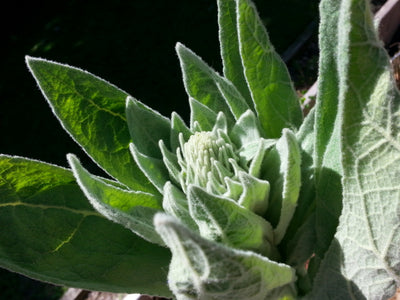
Evening Primrose pairs naturally with other native biennial and perennial medicinal plants. Mullein is another dramatic native biennial with a strong folk tradition. Wild Lettuce and Boneset share its preference for naturalized plantings. For a complete collection of plants significant in Native American herbal tradition, add Wild Bergamot, Goldenrod, and Echinacea.
At Zenobia's Garden, every plant is grown on our 8-acre farm in Perry County, Missouri - tended by hand with attention to soil health, plant vitality, and botanical integrity. We grow medicinal herbs because we believe in them, and we want the plants that leave our farm to thrive in yours. Questions about your order or your plants? Reach us at susan@zenobiasgarden.com - we're growers first, and we're happy to help.
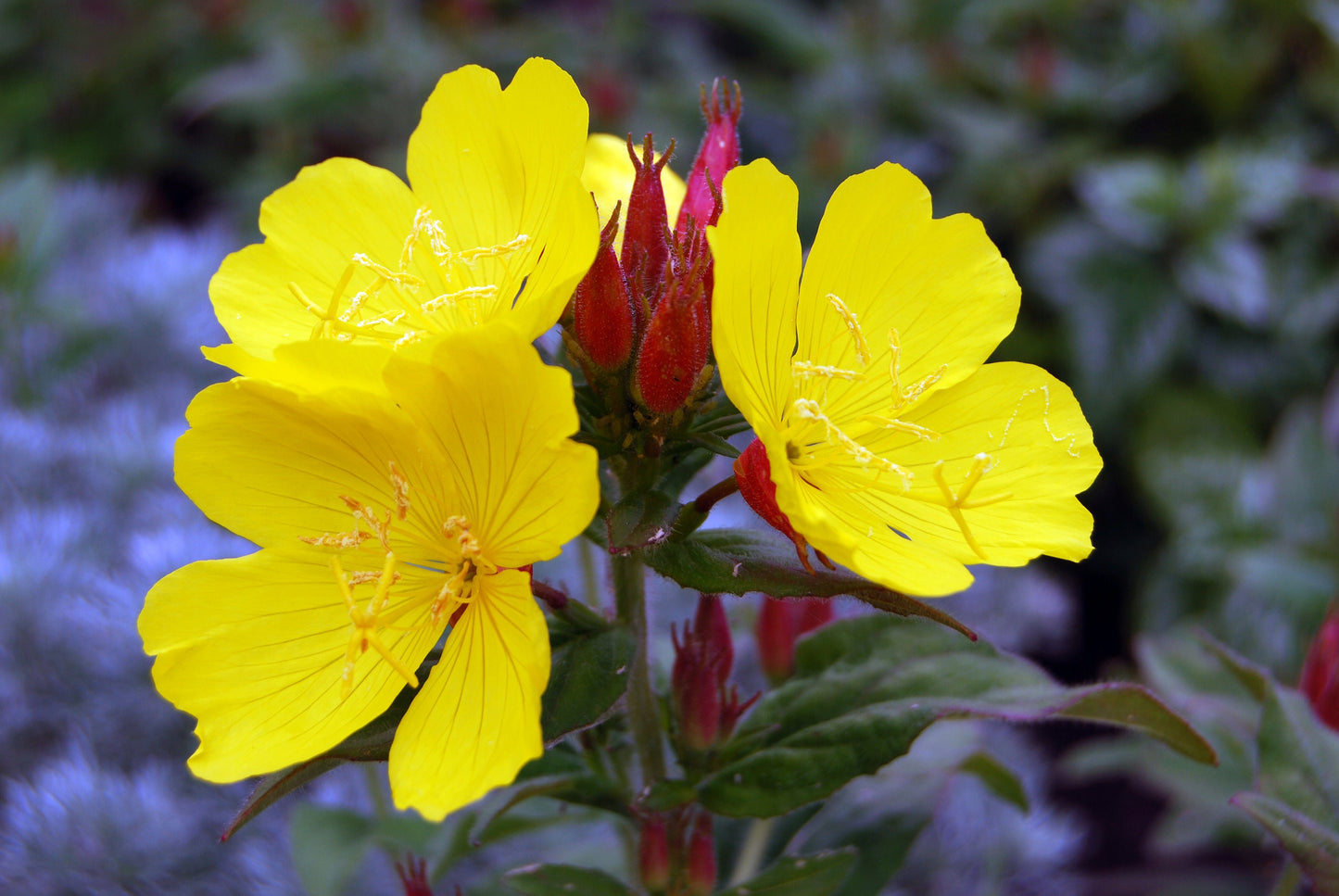
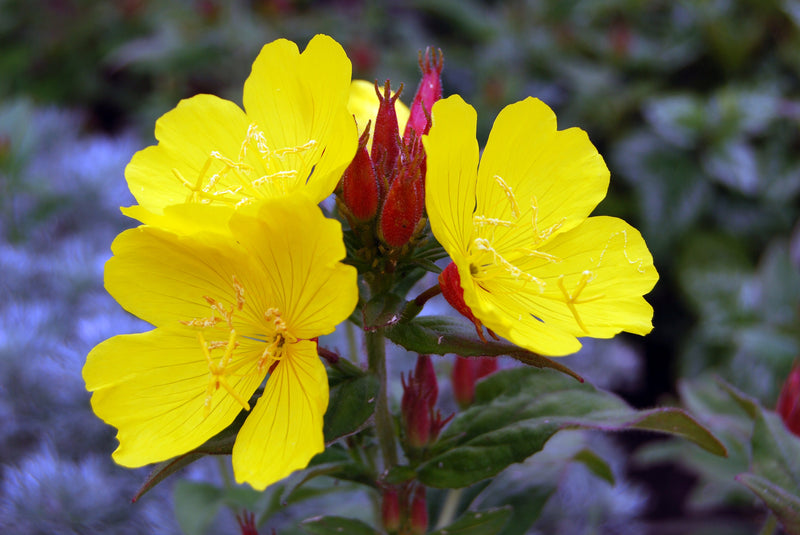
Oenothera biennis
Evening Primrose Live Plant, 3.5 Inch Pot
Evening Primrose is one of the garden's most enchanting plants — the flowers open in the evening and close again the next day. A simple daily treat to watch. The greens are edible as a spring tonic, and the seeds produce the famous medicinal evening primrose oil.
- Grown by hand on our 8-acre Missouri farm
- Healthy plant guarantee — arrives thriving or we replace it
- Expert growing tips included with every order
Growing Guide
Plant Care Guide
Simple guidance to help your plant thrive.
Full Sun
Evening Primrose thrives in full sun. Plant it somewhere you will see and enjoy it in the evening.
Moderate
Evening Primrose appreciates moderate watering. Watch for Japanese beetles — Milky Spore helps control them.
Average, Well-Drained Soil
Evening Primrose grows in average, well-drained soil. As a biennial it self-seeds readily.
Why We Grow It
Why Gardeners Love This Plant
The Evening Show
Spring Tonic Greens
Evening Primrose Oil Source
Japanese Beetle Caution
Good to Know
Growing Tips & Common Questions
Everything you need to help your plant settle in and thrive.
Keep Growing
You Might Also Love
More medicinal herbs for your garden.