Zenobias Garden
Echinacea Live Plant (Purple Coneflower) 2.5 Inch Pot
Echinacea Live Plant (Purple Coneflower) 2.5 Inch Pot
Couldn't load pickup availability
Echinacea (Echinacea purpurea), the Purple Coneflower, is arguably the most recognized medicinal herb in North America - bold, upright perennials with large daisy-like flowers in shades of rose-purple, their prominent central cones rising above reflexed petals that give the flowers their architectural distinctiveness. They bloom prolifically from midsummer through fall, drawing bees and butterflies in numbers. The seed heads that follow persist through winter, providing food for goldfinches and visual interest in the frozen garden. It is a plant of genuine beauty and genuine substance.
Growing Information
Echinacea thrives in full sun and well-drained soil. It is native to the prairies of central North America and is exceptionally drought-tolerant once established. Rich, moist soil can produce floppy growth - average to lean, well-drained conditions suit it best. Plants reach 2-4 feet tall and form slowly expanding clumps. Deadhead spent flowers to extend bloom or leave seed heads standing for birds. Divide clumps every 3-4 years to maintain vigor. Hardy throughout most of North America and long-lived with proper siting.
Traditional Use
Echinacea was one of the most important medicinal plants among the Native American peoples of the Great Plains, used by the Lakota, Cheyenne, Comanche, and many other nations for a wide range of traditional applications. It was introduced to European-American medicine by Eclectic physicians in the late nineteenth century and became one of the most widely sold herbal preparations in the United States. Today it remains among the top-selling herbs in the world. Herbalists traditionally value both the root and the aerial parts, with the root harvested in fall of the plant's third or fourth year.
Care on Arrival
Water upon arrival and settle in a sunny location for a day before transplanting. Echinacea is adaptable and establishes readily. Plant after your last frost date in well-drained soil - avoid heavy, wet conditions. Water during establishment, then reduce frequency significantly. This plant is designed for drought and overwatering is counterproductive. Expect flowers in the first season if planted in spring. Allow some plants to develop their taproots undisturbed for several years before any root harvest.
You Might Also Like
Echinacea is a cornerstone of the native medicinal herb garden. Pair with Boneset, Elderberry, and Astragalus for a complete traditional immune-focused collection. Goldenrod and Wild Bergamot bloom at complementary times and share its prairie origins. For a native pollinator planting, combine with Anise Hyssop and Butterfly Weed.
At Zenobia's Garden, every plant is grown on our 8-acre farm in Perry County, Missouri - tended by hand with attention to soil health, plant vitality, and botanical integrity. We grow medicinal herbs because we believe in them, and we want the plants that leave our farm to thrive in yours. Questions about your order or your plants? Reach us at susan@zenobiasgarden.com - we're growers first, and we're happy to help.
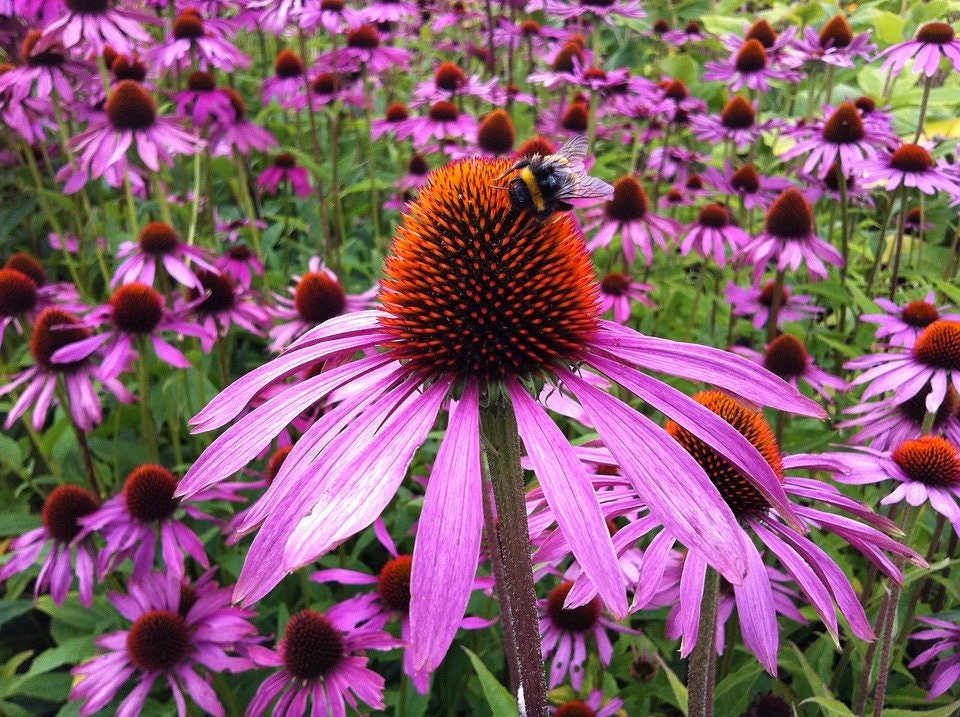
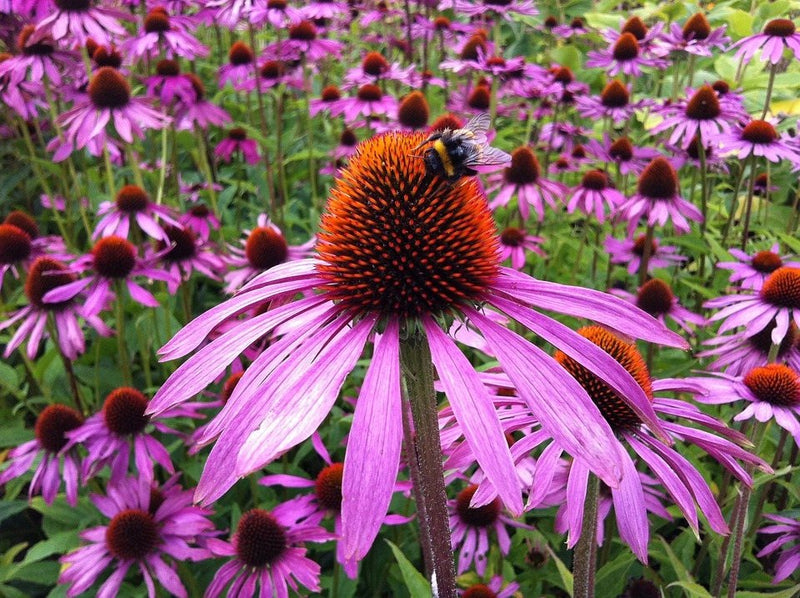
Echinacea purpurea
Echinacea Live Plant (Purple Coneflower) 2.5 Inch Pot
Echinacea purpurea — everyone's darling of medicinal herbs. Our purpurea grows wild right here in Missouri. A beautiful, hardy coneflower that practically takes care of itself once established.
- Grown by hand on our 8-acre Missouri farm
- Healthy plant guarantee — arrives thriving or we replace it
- Expert growing tips included with every order
Growing Guide
Plant Care Guide
Simple guidance to help your plant thrive.
Full Sun
Echinacea wants full sun. Shade will produce straggly growth and poor blooming. Even in Missouri summers, echinacea handles heat well in full sun.
Low to Moderate — Well-Drained
Echinacea hates wet feet. Well-drained soil is essential. If you have clay or poor-draining soil, dig the hole twice as deep and fill the bottom with rock to improve drainage.
Well-Drained, Average Soil
Echinacea actually prefers leaner soil — rich soil can cause floppy growth. Well-drained average garden soil is perfect. It grows wild in Missouri prairies.
Why We Grow It
Why Gardeners Love This Plant
Missouri Native
Whole Plant Medicinal
External Uses Often Overlooked
Stunning Garden Plant
Good to Know
Growing Tips & Common Questions
Everything you need to help your plant settle in and thrive.
Keep Growing
You Might Also Love
More medicinal herbs for your garden.