Zenobias Garden
Comfrey Plant (Symphytum Officinale), 3.5 Inch Pot
Comfrey Plant (Symphytum Officinale), 3.5 Inch Pot
Couldn't load pickup availability
Comfrey (Symphytum officinale) is one of the most physically impressive plants in the medicinal garden - enormous, rough-textured leaves reaching 18 inches long on a robust, deep-rooted perennial that can reach 4 feet tall. Nodding clusters of tubular flowers in cream, pink, or purple hang gracefully from arching stems in spring and early summer. Break a leaf and the mucilaginous sap is immediately apparent - slippery, thick, the botanical signature of a plant that has been valued for its tissue-affinity since ancient times.
Growing Information
Comfrey thrives in full sun to partial shade and prefers moist, fertile soil, though it adapts to a wide range of conditions once established. It develops a deep, fleshy taproot that makes it extremely drought-tolerant once established and nearly impossible to eradicate - plant it where you want it permanently. Plants reach 3-4 feet tall and spread slowly by root. Cut back to the ground after flowering to encourage a fresh flush of large leaves. An exceptional dynamic accumulator and compost activator for the permaculture garden.
Traditional Use
Comfrey has one of the longest and most consistent records of topical use in the entire European herbal tradition. Its traditional English name "knitbone" reflects its centuries-old reputation as a wound herb, used externally for bruises, sprains, and fractures by generations of herbalists. The root and leaves have been the subject of extensive contemporary research into their allantoin content, the compound thought to be responsible for the plant's traditional tissue-supportive properties. Comfrey is used externally only in contemporary herbalism - internal use is not recommended.
Care on Arrival
Water well upon arrival and keep moist. Comfrey ships well and establishes vigorously. Transplant after your last frost date into a permanent location - choose carefully, as the deep taproot means this plant is difficult to move once established. Plant in moist, enriched soil if possible. Water consistently through the first season. Once established it is one of the most self-sufficient plants in the garden, returning each spring with increasing vigor. Harvest large outer leaves throughout the season.
You Might Also Like
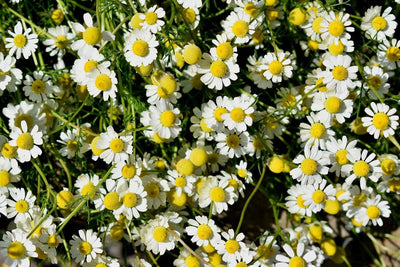
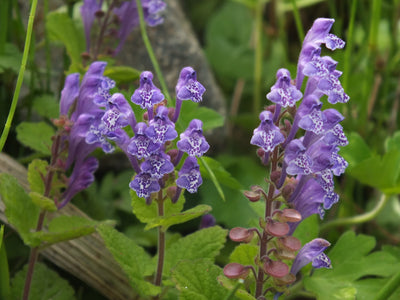
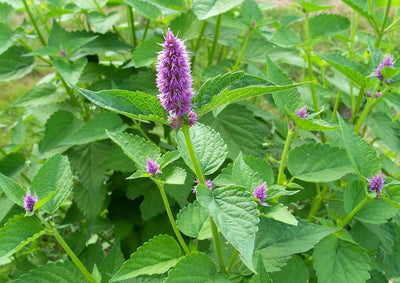
Comfrey is a foundational topical herb and pairs naturally with Calendula, Plantain, and Self Heal in a complete external use herb garden. Marshmallow shares its mucilaginous character and traditional tissue-supportive role. For a complete permaculture herb planting, Comfrey belongs alongside Elecampane and Yarrow as deep-rooted dynamic accumulators.
At Zenobia's Garden, every plant is grown on our 8-acre farm in Perry County, Missouri - tended by hand with attention to soil health, plant vitality, and botanical integrity. We grow medicinal herbs because we believe in them, and we want the plants that leave our farm to thrive in yours. Questions about your order or your plants? Reach us at susan@zenobiasgarden.com - we're growers first, and we're happy to help.
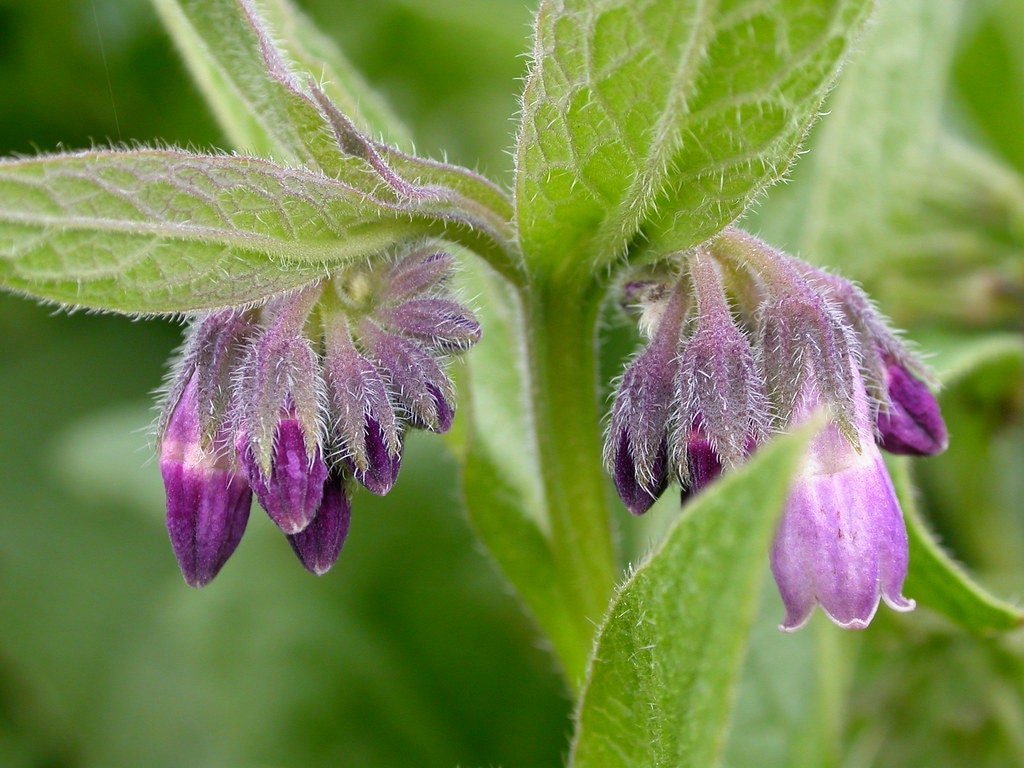
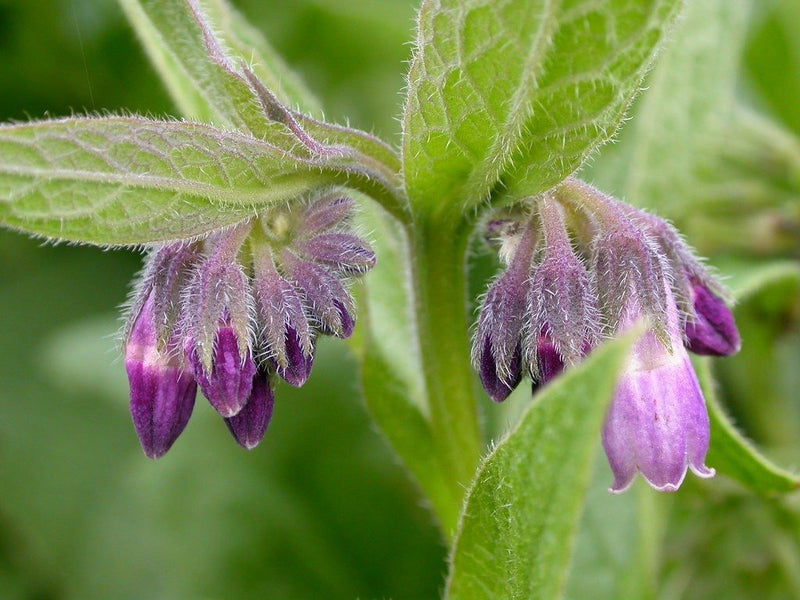
Symphytum officinale
Comfrey Plant (Symphytum Officinale), 3.5 Inch Pot
Comfrey is one of the most generous and forgiving plants you can grow. Once established, it is nearly indestructible — our plants came back in full force even after a tornado bulldozed through our gardens. A must-have for any serious medicinal herb garden.
- Grown by hand on our 8-acre Missouri farm
- Healthy plant guarantee — arrives thriving or we replace it
- Expert growing tips included with every order
Growing Guide
Plant Care Guide
Simple guidance to help your plant thrive.
Morning Sun, Afternoon Shade
Comfrey is adaptable but performs best with morning sunlight and afternoon shade, especially in hot climates like Missouri summers. It can grow in full shade but thrives with some direct light.
Moderate — Tolerates Wet Soil
Comfrey tolerates damper soil better than most medicinal herbs. Drought-proof once established but appreciates consistent moisture during its first season.
Adaptable — Any Reasonable Soil
Comfrey grows in almost any soil and actually improves it over time. Its deep taproot mines minerals from subsoil layers, making it an excellent dynamic accumulator and compost activator.
Why We Grow It
Why Gardeners Love This Plant
Nearly Indestructible
Allantoin-Rich Leaves
Pollinator Magnet
Garden Workhorse
Good to Know
Growing Tips & Common Questions
Everything you need to help your plant settle in and thrive.
Keep Growing
You Might Also Love
More medicinal herbs for your garden.