Zenobia's Garden
Ashwagandha Vedic Live Plant, 3.25 Inch Pot
Ashwagandha Vedic Live Plant, 3.25 Inch Pot
Couldn't load pickup availability
Ashwagandha (Withania somnifera) is one of the most important plants in Ayurvedic medicine, a smallshrubby perennial with soft, woolly leaves, inconspicuous greenish-yellow flowers, and small red berries enclosed in papery husks at maturity. The plant itself is modest in appearance - it is the thick, fleshy root that carries the plant's significance, developing slowly over the growing season into a substantial taproot with a distinctive earthy, somewhat horse-like smell that gives the plant its Sanskrit name: ashwagandha means "smell of horse."
Growing Information
Ashwagandha thrives in full sun and well-drained, sandy or loamy soil. It is native to dry regions of India, North Africa, and the Mediterranean and prefers lean, dry conditions over rich, moist soil. A tender perennial hardy only in zones 8-11, it is grown as an annual in Missouri. Plants reach 2-3 feet tall. The root is harvested in fall after the plant has had a full growing season. Start early indoors for the longest possible growing season and the most developed root at harvest.
Traditional Use
Ashwagandha has been used in Ayurvedic medicine for over 3,000 years and is considered one of the most important rasayana (rejuvenating) herbs in the classical Indian tradition. It holds a place in Ayurvedic practice roughly analogous to Ginseng in Chinese medicine - a foundational adaptogenic herb used to build strength and resilience. Western herbalists have embraced Ashwagandha as one of the most significant adaptogenic plants available, and it has been the subject of extensive contemporary research.
Care on Arrival
Water gently upon arrival and handle the root system carefully - Ashwagandha develops a taproot early and does not appreciate disturbance. Keep in a warm, sunny location. Transplant into well-drained soil after your last frost date when nighttime temperatures are reliably warm. Plant at the same depth it was growing in the pot. Water during establishment, then reduce frequency - this plant prefers drier conditions once established. Harvest the root in fall after the first light frost signals the end of the growing season.
You Might Also Like
Ashwagandha is a foundational adaptogenic herb and pairs well with Astragalus and Holy Basil for a complete adaptogen collection. For a broader Ayurvedic or traditional herb garden, add Lemongrass and Patchouli. Echinacea and Elderberry complement it in a collection focused on building seasonal resilience.
At Zenobia's Garden, every plant is grown on our 8-acre farm in Perry County, Missouri - tended by hand with attention to soil health, plant vitality, and botanical integrity. We grow medicinal herbs because we believe in them, and we want the plants that leave our farm to thrive in yours. Questions about your order or your plants? Reach us at susan@zenobiasgarden.com - we're growers first, and we're happy to help.


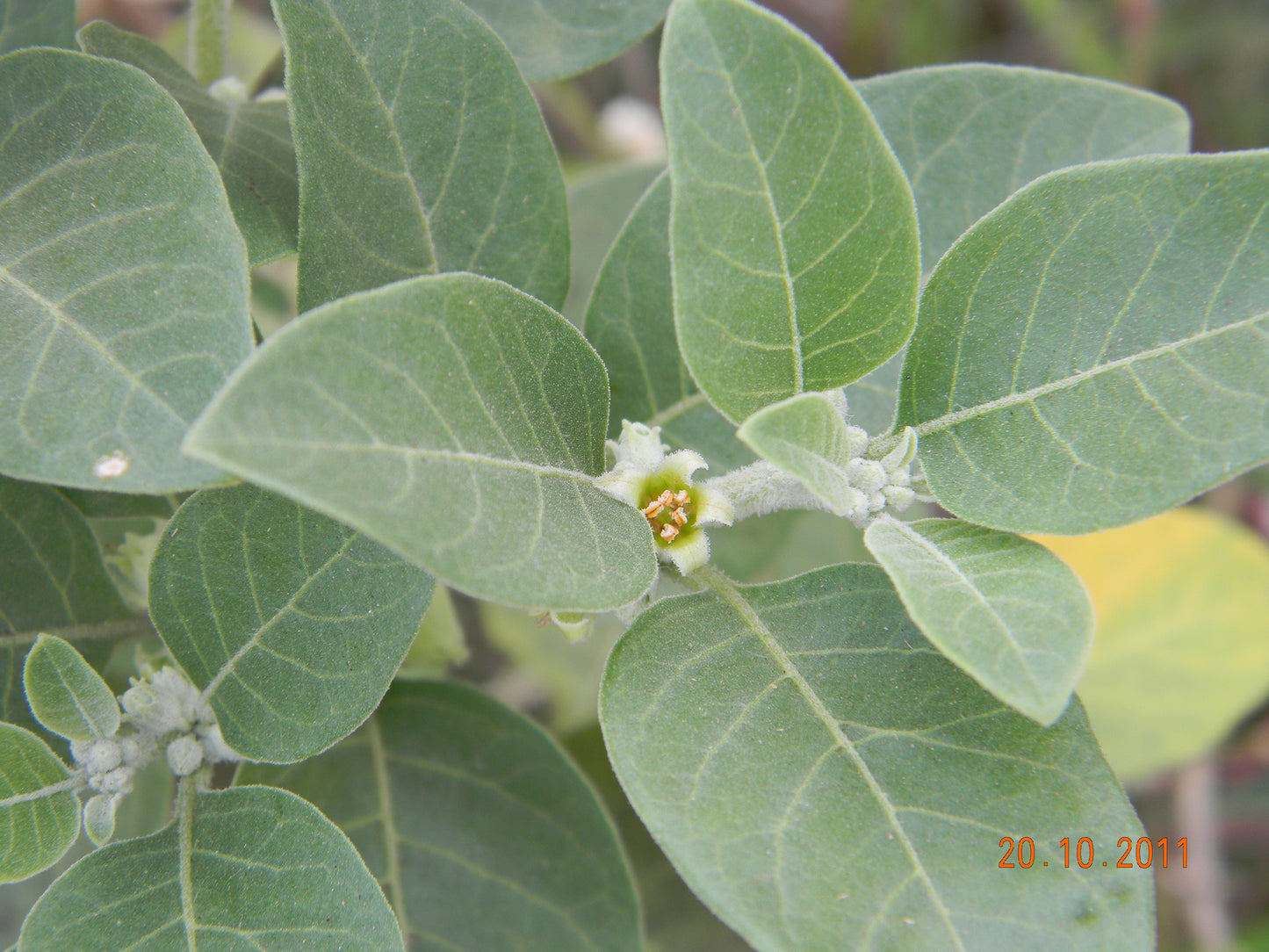
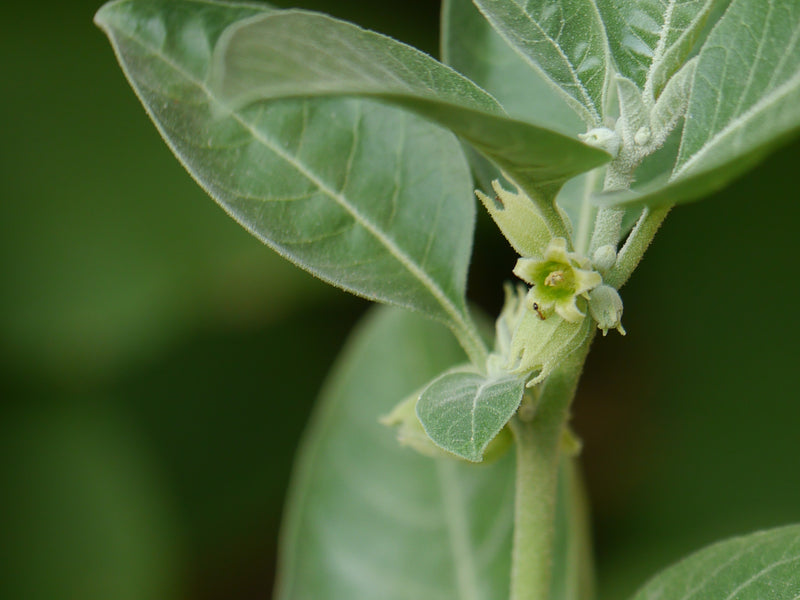
Withania somnifera
Ashwagandha Vedic Live Plant, 3.25 Inch Pot
Ashwagandha is one of Ayurveda's most celebrated adaptogens — widely studied and widely used for stress resilience, energy, and overall vitality. A zone 9-11 plant that we grow in containers here in Missouri, harvesting the root each fall.
- Grown by hand on our 8-acre Missouri farm
- Healthy plant guarantee — arrives thriving or we replace it
- Expert growing tips included with every order
Growing Guide
Plant Care Guide
Simple guidance to help your plant thrive.
Full Sun
Ashwagandha wants full sun. It is a tropical plant by nature and thrives in heat and light.
Moderate — Needs Water
Ashwagandha needs regular watering. It is more susceptible to insect pressure than native herbs — watch for pest issues.
Well-Drained Container Mix
In Missouri we grow ashwagandha in containers with good potting mix and excellent drainage. It will grow all summer and produce a usable root by fall harvest.
Why We Grow It
Why Gardeners Love This Plant
Celebrated Adaptogen
Container Growing in Cold Zones
Watch for Pest Pressure
Root is the Medicine
Good to Know
Growing Tips & Common Questions
Everything you need to help your plant settle in and thrive.
Keep Growing
You Might Also Love
More medicinal herbs for your garden.